

Nuruddin Farah: The Life and Times
Brief Biography:
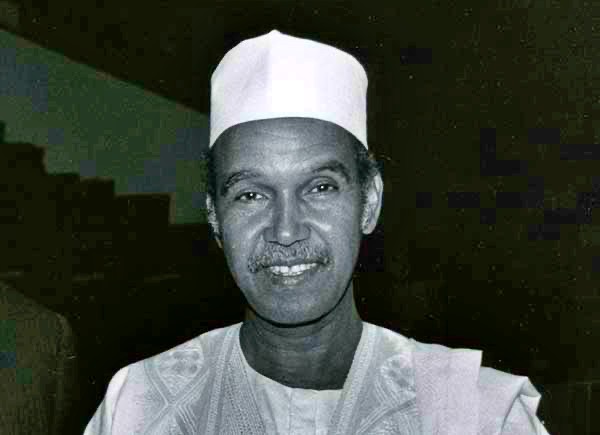
Nuruddin Farah, born on November 24, 1945, in Baidoa, Somalia, is one of Africa’s most prolific and influential writers. Growing up in a multilingual environment, he spoke Somali, Arabic, Italian, and later learned English. His father was a merchant, and his mother was a poet, which greatly influenced his early literary aspirations. Farah studied literature and philosophy at Panjab University in India and later pursued postgraduate studies in England. Due to his vocal opposition to the Siad Barre regime, Farah lived in exile for much of his life, residing in countries such as Nigeria, the United States, and South Africa.
Cultural and Historical Context:
Farah’s literary work is deeply rooted in the socio-political history of Somalia. He experienced the transition from colonial rule to independence and later witnessed the descent of his country into dictatorship and civil war. The political instability and clan-based conflicts in Somalia feature prominently in his novels, reflecting his concerns about national identity, corruption, and the disintegration of social order. His work also addresses the broader African postcolonial experience, resonating with global themes of displacement and belonging.
Significant Personal Experiences:
Farah’s exile profoundly shaped his worldview and writing. Living away from Somalia allowed him to reflect critically on his homeland’s challenges and complexities. His novels often explore themes of exile and return, reflecting his personal journey. His mother’s influence as a poet instilled in him a love for storytelling and the power of language. These experiences made him a vocal advocate for freedom of expression and human rights, themes that permeate his work.
Writing Style and Themes
Distinctive Elements of His Writing Style:
Nuruddin Farah’s writing is known for its complexity, rich symbolism, and philosophical depth. He often uses multiple perspectives and intricate narratives to explore the multifaceted nature of identity and politics. His prose is reflective and layered, with a focus on character development and moral dilemmas. Farah’s works are often characterized by their experimental structure, blending elements of traditional African storytelling with modernist techniques.
Major Themes Explored:
- Identity and Nationhood: Farah frequently examines the concept of national identity, particularly in the context of Somalia’s fragmented society. His characters often grapple with questions of belonging and loyalty.
- Gender and Feminism: A notable aspect of Farah’s work is his exploration of gender dynamics. He is celebrated for his nuanced portrayal of strong female characters and his critique of patriarchal structures.
- Political Corruption and Exile: Farah’s novels often depict the corruption and moral decay of authoritarian regimes, drawing from his own experiences in exile. His works highlight the emotional and psychological toll of living under oppressive systems.
- Moral and Ethical Dilemmas: His characters frequently face moral challenges, reflecting broader societal conflicts. This focus on ethics and personal responsibility is a hallmark of his writing.
Comparison with Contemporaries:
Farah’s work is often compared to that of other African writers such as Chinua Achebe and Ngũgĩ wa Thiong’o, but his focus on the Somali experience gives his work a unique perspective. Unlike Achebe, who delves into the clash between tradition and modernity, Farah’s narratives emphasize political fragmentation and exile. His feminist perspective also distinguishes him from many of his contemporaries, offering a critical examination of gender relations within African societies.
Successes and Recognitions
Notable Achievements:
Farah has received numerous accolades for his contributions to literature. He won the prestigious Neustadt International Prize for Literature in 1998, often regarded as the precursor to the Nobel Prize. His novels have been translated into several languages and have received international critical acclaim. Farah’s Blood in the Sun trilogy—Maps (1986), Gifts (1992), and Secrets (1998)—is widely considered his magnum opus.
Impact on Literature:
Farah’s work has made a significant impact on both African and global literature. He is credited with putting Somali literature on the international map and providing a voice for a nation often overlooked in global narratives. His exploration of themes such as exile, identity, and gender has resonated with readers worldwide, contributing to a broader understanding of the African experience.
Influence on Other Writers and Movements:
Farah’s pioneering work has influenced a new generation of African writers who address themes of displacement, identity, and political turmoil. His commitment to human rights and freedom of expression has also inspired writers and activists beyond Africa. Farah’s emphasis on strong female characters and gender dynamics has contributed to a growing body of feminist literature in Africa.
Shortcomings and Criticisms
Controversies or Critiques Related to Their Work:
Nuruddin Farah’s works, while highly acclaimed, have not escaped criticism. Some critics argue that his narratives can be overly complex and difficult to follow, particularly due to his experimental structures and non-linear storytelling. Maps, for example, has been described as challenging because of its fragmented narrative style and the use of multiple perspectives. Additionally, Farah’s portrayal of women, although generally praised for its progressiveness, has sometimes been critiqued for being idealistic or lacking nuance in certain contexts.
Limitations in Storytelling or Thematic Approach:
While Farah’s themes of identity, exile, and gender are profound, some critics feel that his focus on intellectual and philosophical debates can overshadow character development and emotional depth. His dense, allegorical style may alienate readers who prefer more straightforward narratives. Additionally, some of his later works have been criticized for being less impactful than his earlier novels, with suggestions that he sometimes reiterates familiar themes without offering new insights.
Responses to Criticisms:
Farah has generally responded to criticisms with intellectual rigor, defending his narrative choices as necessary for conveying the complexity of the Somali experience. He often emphasizes that his work is not intended to provide easy answers but to provoke thought and dialogue. In interviews, Farah has expressed a belief in the importance of challenging readers, reflecting his commitment to addressing difficult and often uncomfortable subjects. Over time, he has adapted by incorporating more accessible elements into his storytelling, while maintaining his philosophical depth.
Political and Social Stance
Political Views and Reflection in Works:
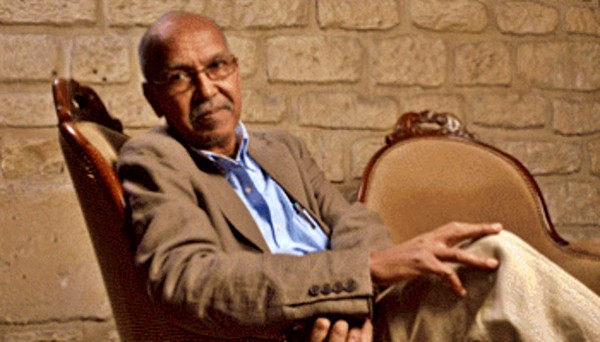
Nuruddin Farah is a vocal critic of authoritarian regimes and has consistently addressed themes of political corruption, human rights abuses, and social justice in his writing. His opposition to the Siad Barre dictatorship in Somalia forced him into exile, and his experiences are reflected in novels such as Sweet and Sour Milk and Sardines. Farah’s works often depict the struggle for personal and political freedom, exposing the moral and ethical failures of those in power.
Role as a Social or Political Activist:
Farah’s activism extends beyond his literary work. He has used his platform to speak out against political oppression, both in Somalia and globally. During his exile, he became an important voice for the Somali diaspora, advocating for peace and reconciliation. Farah has also participated in international forums and conferences, promoting dialogue on issues such as governance, human rights, and the role of literature in society. His engagement with these issues demonstrates a deep commitment to social and political change.
Impact of Political Ideology on Writing and Public Life:
Farah’s political ideology is deeply intertwined with his literary output. His critique of dictatorship and corruption, as well as his exploration of identity and belonging, stem from his belief in justice, freedom, and human dignity. This ideological commitment has made his work a powerful tool for raising awareness about the plight of Somalia and other nations facing political turmoil. Farah’s novels encourage readers to reflect on their own societal contexts, making his work not only relevant but also transformative.
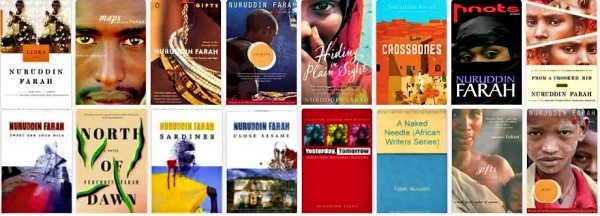
Highlighted Works (Five Books) by Nuruddin Farah
1. Maps (1986)
Synopsis:
The first novel in the Blood in the Sun trilogy, Maps tells the story of Askar, an orphan raised by a woman named Misra in Somalia. As Askar grows up, he grapples with questions of identity, belonging, and national loyalty, particularly against the backdrop of the Ogaden War between Somalia and Ethiopia.
Key Themes:
Identity and exile, national and cultural allegiance, and the complexities of familial and national belonging. The novel also explores themes of gender and the ambiguous nature of relationships.
Significance:
Maps is noted for its experimental structure, blending first-person and second-person narratives. It reflects Farah’s own experiences of displacement and critiques nationalism’s impact on personal identity.
2. Sardines (1981)
Synopsis:
The second novel in the Variations on the Theme of an African Dictatorship trilogy follows Medina, a journalist, as she navigates life under a repressive Somali dictatorship. Her struggle is also shaped by gender roles and her strained relationship with her mother.
Key Themes:
Political oppression, women’s autonomy, and intergenerational conflict. The novel examines how authoritarian regimes impact personal and familial dynamics.
Significance:
Sardines highlights the intersection of personal and political struggles, particularly the challenges faced by women under patriarchal and dictatorial systems. Farah’s feminist perspective adds depth to the narrative.
3. Gifts (1993)
Synopsis:
Part of the Blood in the Sun trilogy, Gifts tells the story of Duniya, a single mother and nurse, who reflects on the nature of generosity and dependency. Through her interactions with various characters, the novel explores societal expectations and individual agency.
Key Themes:
Generosity and exploitation, gender roles, and self-reliance. The novel also critiques the dependency on foreign aid and its impact on developing nations.
Significance:
Farah uses the motif of gifts to question the dynamics of power and dependency, both at a personal and national level. The novel’s nuanced portrayal of female independence is a recurring theme in Farah’s work.
4. Close Sesame (1983)
Synopsis:
The final novel in the Variations on the Theme of an African Dictatorship trilogy centers on Deeriye, an elderly man who has spent much of his life resisting oppressive regimes. As he confronts the current dictatorship, he reflects on his past struggles and the cyclical nature of tyranny.
Key Themes:
Resistance against oppression, generational conflict, and moral integrity. The novel also explores themes of aging and the passage of time.
Significance:
Close Sesame is a profound meditation on resistance and resilience. Deeriye’s character serves as a symbol of moral steadfastness, and the novel’s historical scope offers insight into Somalia’s political evolution.
5. Links (2003)
Synopsis:
The first novel in the Past Imperfect trilogy, Links follows Jeebleh, a Somali expatriate who returns to Mogadishu after many years in exile. His journey is marked by encounters with warlords, family tensions, and the chaos of a society in turmoil.
Key Themes:
Homecoming and exile, the aftermath of civil war, and the quest for justice. The novel also delves into themes of loyalty and betrayal.
Significance:
Links offers a poignant exploration of post-civil war Somalia. Farah’s portrayal of Mogadishu as a city both familiar and alien underscores the complexities of returning to a homeland transformed by conflict.
Conclusion: Legacy and Relevance
Why Nuruddin Farah’s Work Remains Relevant Today:
Nuruddin Farah’s novels continue to resonate due to their profound exploration of themes such as identity, political oppression, and the complexities of exile. His works shed light on Somalia’s socio-political struggles, reflecting broader issues faced by post-colonial nations. In an era where discussions about nationalism, displacement, and gender equality are more pertinent than ever, Farah’s insights offer a valuable perspective. His portrayal of strong, independent female characters challenges traditional patriarchal norms, making his feminist stance particularly impactful.
Reflection on Lasting Impact on Literature and Society:
Farah is celebrated as one of Africa’s most influential writers, often referred to as the “conscience of Somalia.” His contributions extend beyond literature, fostering global awareness of Somalia’s political history and cultural richness. By addressing themes of exile and displacement, he gives voice to the experiences of diasporic communities worldwide. His works have influenced a new generation of writers who grapple with similar issues of identity and belonging, ensuring his legacy endures in contemporary African literature.
Encouragement for Readers to Engage with His Works:
Exploring Nuruddin Farah’s novels offers readers a deep understanding of Somalia’s turbulent history and the universal human quest for identity and justice. His storytelling is both compelling and thought-provoking, encouraging critical reflection on socio-political issues that transcend borders. For those interested in African literature or global politics, engaging with Farah’s work is not only an enriching experience but also a way to foster empathy and a deeper understanding of the complexities of the human condition.