


Ghana’s non-traditional exports surged to a historic $5.006 billion in 2025, a 30.7% increase from the previous year. Processed cocoa products, including paste, butter, and powder, led the charge, with some sectors seeing growth of over 120%.
Moreover, manufactured and semi-processed goods now make over 83% of total earnings, signalling a major shift from raw material exports. Thus, the government is introducing policies, including a phased ban on raw shea exports, to further drive this industrial transformation.

The numbers are in, and they tell a clear story:
Ghana is no longer just an exporter of raw materials. It is becoming a processing and manufacturing hub for West Africa.
New data from the Ghana Export Promotion Authority (GEPA) shows the country’s non-traditional export (NTE) sector reached a historic level. Export has reached a significant and historic $5.006 billion in 2025, a remarkable 30.7% jump from $3.83 billion in 2024. This isn’t just about growth—it’s about a fundamental change in what Ghana sells to the world. Hence, moving from raw cocoa beans and unprocessed minerals to finished and semi-finished goods that capture far more value.
This analysis dives deep into the record-breaking performance and the strategic policies driving it. In addition, it explains what this shift means for Ghana’s economic future.
Cocoa Processing Leads the Industrial Charge
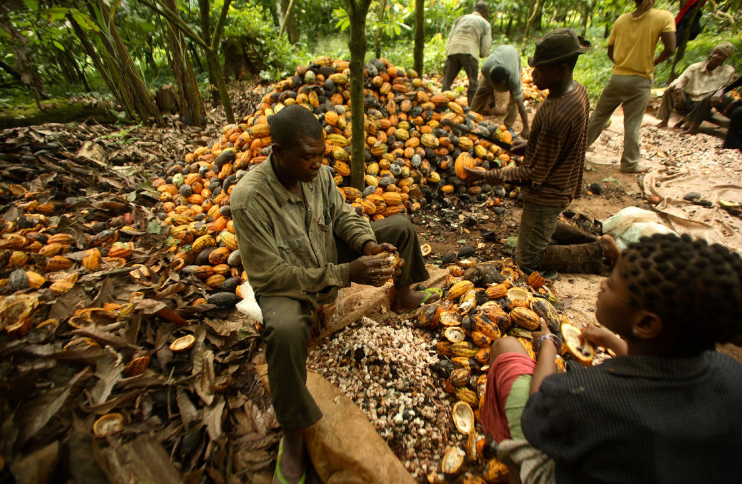
For decades, Ghana’s economy has been synonymous with raw cocoa beans, the country’s traditional cash cow. While cocoa remains vital, the 2025 report reveals a decisive pivot toward value addition. The cocoa sector didn’t just grow; it evolved, generating approximately $3.69 billion in total earnings—a figure GEPA has called a “historic milestone”.
The most dramatic evidence of this shift is found in the surge of processed cocoa products:
Cocoa Paste:
It remained the single largest export earner, generating $789.3 million—a staggering 70.97% year-on-year increase. For this reason, more intensity should be applied in consolidating the gains.

Cocoa Butter:
Exports skyrocketed by 120.18% to approximately $469 million, driven by soaring demand from Europe’s cosmetics and confectionery industries.
Cocoa Powder:
Cocoa recorded a 112.97% rise to about $173 million, reflecting the growing global appetite for Ghanaian value-added cocoa.
This success story is the direct result of deliberate government and industry investment in domestic processing capacity, moving Ghana up the value chain and capturing a larger slice of the global chocolate economy.
Beyond Cocoa:
A Diversified Export Basket
While cocoa processing stole the spotlight, the 2025 data shows that Ghana’s industrial ambitions extend far beyond a single crop. The country is successfully building a diversified portfolio of processed agricultural and manufactured goods.
Agricultural Diversification Gains Momentum
Other tree crops recorded strong performances, underscoring a broad-based agricultural transformation. Furthermore, this revolution in non-traditional export will increase the GDP of the country.
Cashew Nuts:
Generated roughly $219 million, reflecting steady expansion in the sector. Nevertheless, more efforts are still needed so as to consolidate on the gains.
Shea Nuts and Oil:
The shea industry recorded strong momentum, with shea nuts rising to about $131 million and shea oil reaching approximately $129 million.
Manufactured & Processed Goods:
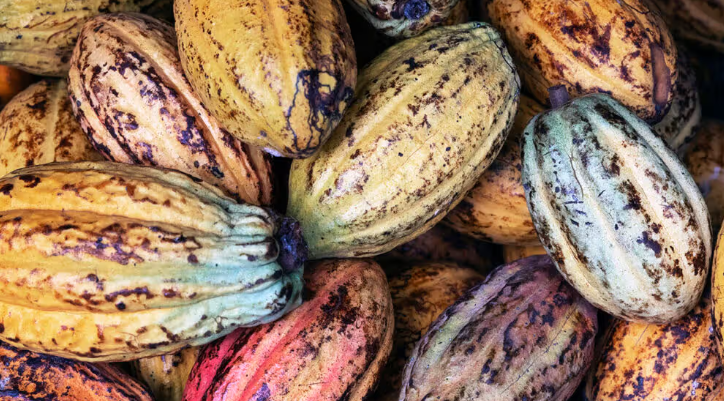
Collectively, these products accounted for more than 83% of total NTE earnings, a clear signal of the country’s industrial shift. However, the gains may be lost if unnecessary waivers are introduced.
Industrial and Fisheries Exports
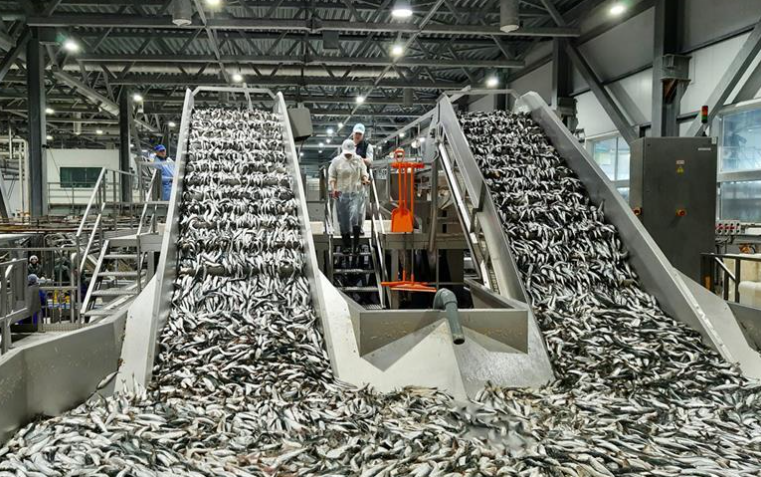
The industrial sector also put out a good number as it contributed to the overall robust performance. Additionally, articles of plastic rose to about $203 million, and aluminium products reached approximately $121 million. In addition, canned tuna exports climbed to around $157 million.
However, not all sectors performed equally. Iron and steel exports declined slightly to about $233 million amid pressure from volatile global prices and intensifying international competition. GEPA attributed this divergence to external market conditions, even as broader export performance remained robust.
Regional Trade & Key Markets
Who is buying all these new Ghanaian products?
Europe remains the dominant market, with the Netherlands, the United Kingdom, and France as key destinations. However, a major trend highlighted by GEPA is the rapid expansion of intra-African trade. This now accounts for 30.36% of Ghana’s NTE earnings. Furthermore, this growth is supported by rising demand within the Economic Community of West African States (ECOWAS). Invariably, based on this advantage, Ghana is now well positioned to capitalise on the African Continental Free Trade Area (AfCFTA).
GEPA chief executive Francis Kojo Kwarteng Arthur said the figures reflect “Ghana’s growing competitiveness in regional markets”, emphasising the importance of initiatives like the Accelerated Export Development Programme to improve production standards and capacity.
Policy Push:
From Raw Materials to Finished Goods
The 2025 export surge is not an accident. It is the result of a concerted policy drive by the Ghanaian government to move away from raw commodity dependence.
This policy framework is multifaceted. The government is implementing measures to force value addition, such as a phased ban on raw shea nut exports. Moreover, this is effective this year, 2026, to stimulate local processing. To support this, authorities are creating a business-friendly environment by waiving import taxes on agro-processing machinery. Furthermore, Ghana is aggressively positioning itself as a key player in the 1.4 billion-consumer market under the AfCFTA. Likewise, the trade minister took time in highlighting the nation’s potential as a “launchpad” for the continent.
What This Means for Ghana’s Economy
The long-term implications of this industrial shift are profound:
Increased Foreign Exchange:
By processing raw materials domestically, Ghana retains more value from each export, boosting foreign exchange reserves and stabilising the national currency. ·

Job Creation:
Processing plants require more labour than simple commodity harvesting, creating higher-skilled manufacturing and logistics jobs across the country.
Global Competitiveness:
As a producer of high-quality processed goods, Ghana is building a reputation that extends beyond its raw materials, making it a more attractive destination for foreign direct investment.
The transformation from a raw material exporter to an industrial processing hub is a difficult journey, but the 2025 NTE report provides the strongest evidence yet that Ghana is well on its way.
This report is based on the 2025 Non-Traditional Export Statistics Report published by the Ghana Export Promotion Authority on April 17, 2026, and supporting policy documents from the Ministry of Trade and Industry.