
Iran recently announced alternative shipping routes in the Hormuz Strait. This announcement comes amid rising tensions in the region. Citing the possibility of marine mines in the main area of the crucial canal, Iran recommended alternate routes for ships passing through the Strait of Hormuz on Thursday.
“All ships intending to transit the Strait of Hormuz are hereby notified that in order to comply with the principles of maritime safety and to be protected from possible collisions with sea mines…they should take alternative routes for traffic in the Strait of Hormuz,” Iran’s Revolutionary Guards said in a statement quoted by local media.
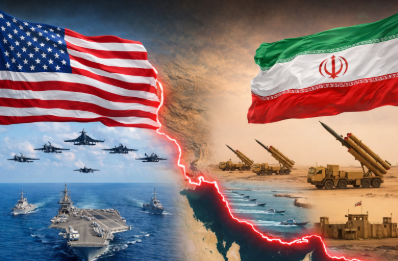
Iran’s Strategic Move in the Hormuz Strait
As part of a two-week ceasefire, Tehran has agreed to temporarily reopen the strait, which typically transports one-fifth of the world’s oil. The Hormuz Strait remains a critical passage for global oil shipments. Iran’s decision aims to ensure uninterrupted maritime traffic despite geopolitical challenges. Thus, the statement posted in the local media included instructions for an alternative entry and exit route through the strait.
Background: Importance of the Hormuz Strait
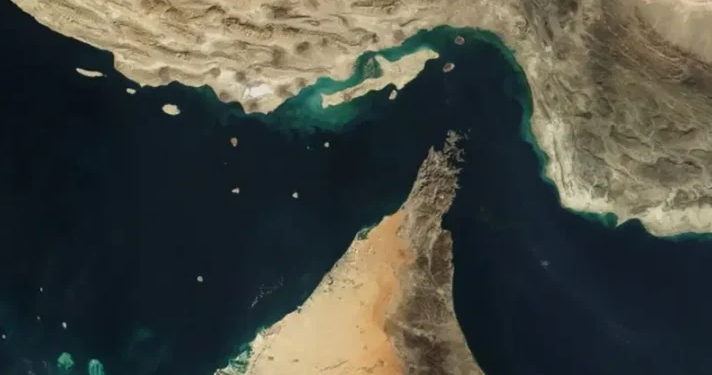
The Hormuz Strait connects the Persian Gulf with the Gulf of Oman and the Arabian Sea. Nearly 20% of the world’s oil passes through this narrow waterway daily. Any disruption here can impact global energy markets significantly. Hence, countries closely monitor developments in this strategic area.
Why Iran is Introducing Alternative Routes
Iran cites security concerns based on sea mines and external threats as reasons for the new routes. Consequently, the country wants to safeguard its maritime interests and regional trade by avoiding further disruptions. Additionally, Iran seeks to reduce dependency on the main strait corridor. These alternative routes could provide safer passage for vessels and that of its allies.

Reactions from Regional and Global Powers
Neighbouring countries and global powers have expressed mixed reactions. Some view the routes as a strategic manoeuvre to challenge maritime norms. Others acknowledge Iran’s right to protect its shipping lanes amid threats. The United States and its allies warn against any actions that might destabilise the strait further. However, diplomatic dialogues continue to address these concerns.
Impact on Global Oil Supply and Shipping
The alternative routes could affect the flow of oil and goods through the Persian Gulf. Shipping companies may need to adjust routes and schedules to comply with new navigation channels. Insurance costs and security measures for vessels might increase due to perceived risks. However, Iran insists these routes aim to secure—not disrupt—maritime trade.

Potential Risks and Challenges
Navigating through alternative routes poses challenges such as narrower passages and unfamiliar waters. Increased naval presence from multiple countries might raise tensions. There is also the risk of accidental clashes between military vessels. Iran must balance strategic interests with regional stability to avoid escalation.
Future Outlook for the Hormuz Strait
The announcement signals ongoing strategic deescalation within the region. Importantly, less than an hour before US President Donald Trump’s ultimatum to destroy the Islamic republic if it did not comply with his demands for a deal to reopen the Strait of Hormuz, the United States and Iran agreed to a two-week ceasefire overnight from Tuesday to Wednesday. Since early March, Tehran has essentially shut the vital shipping route, driving up oil costs worldwide.
Conclusion: Navigating a Complex Maritime Landscape
Iran’s announcement of alternative routes in the Hormuz Strait highlights regional complexities. It reflects efforts to protect national interests amid geopolitical friction. The development requires careful monitoring by all stakeholders to maintain peace. Ultimately, cooperation remains essential to secure this vital maritime corridor.