

Strengthening Bilateral Relations
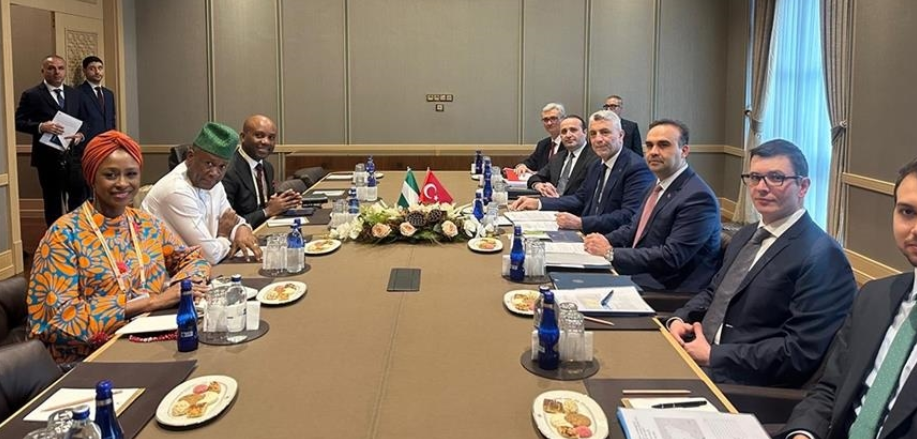
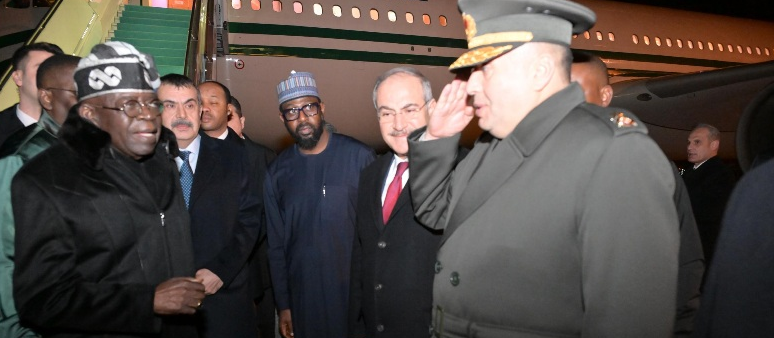
Following President Bola Tinubu’s visit to Türkiye, the Turkish President declared a goal to increase trade volume to $5 billion. Invariably, this decision aims to deepen economic ties and boost cooperation between the two nations. Furthermore, the move reflects a shared commitment to expanding business and investment opportunities. Both countries see this as a milestone for their partnership.
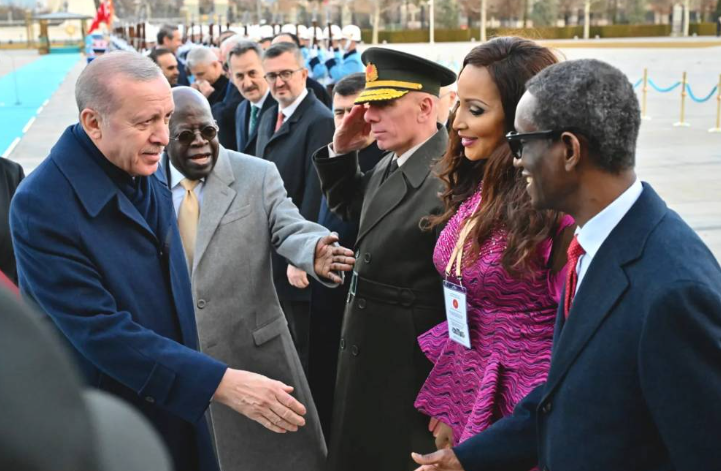
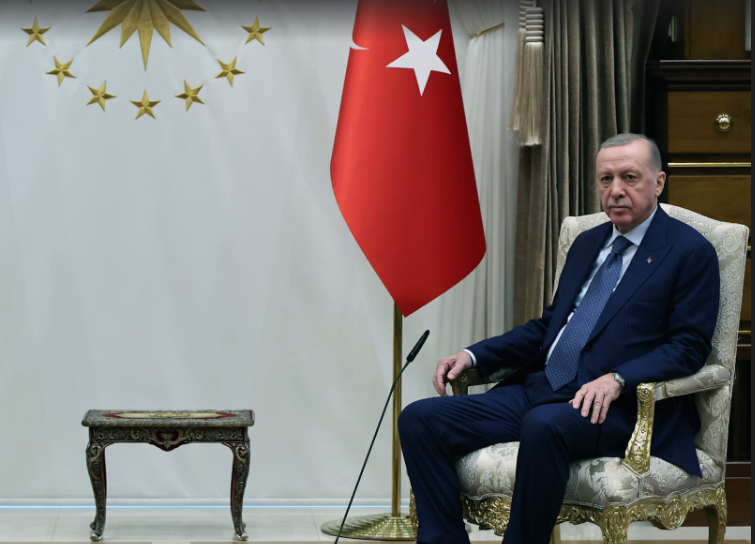
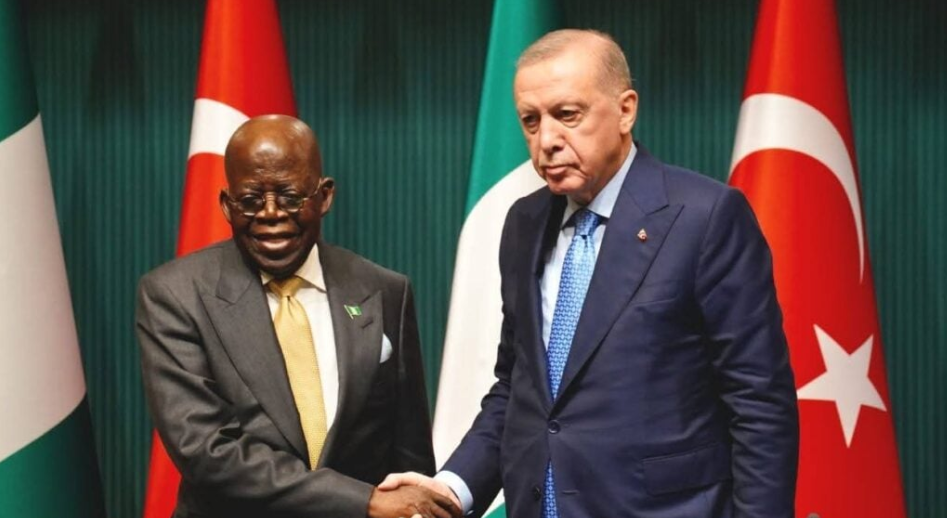
President Recep Tayyip Erdoğan
Erdogan said the presence of Tinubu, several ministers, and high-ranking officials was the clearest indication of the determination to attract investment to the nation (Nigeria).
Furthermore, Türkiye’s President said, “Today, we conducted a comprehensive review of our relations with the esteemed president and his delegation in the fields of trade, investments, energy, education and the defence industry.”
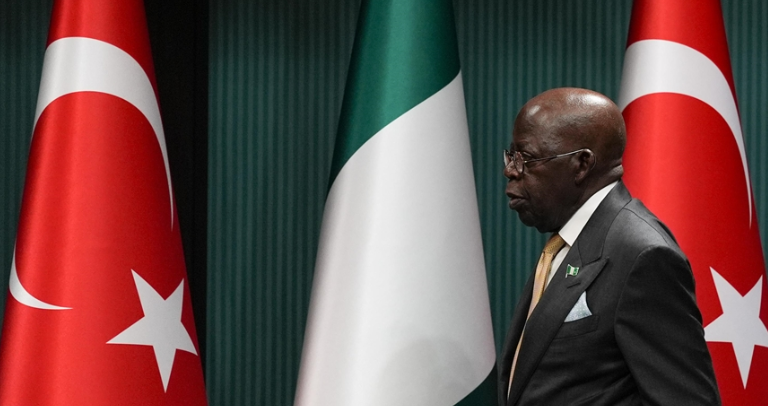
President Bola Ahmed Tinubu
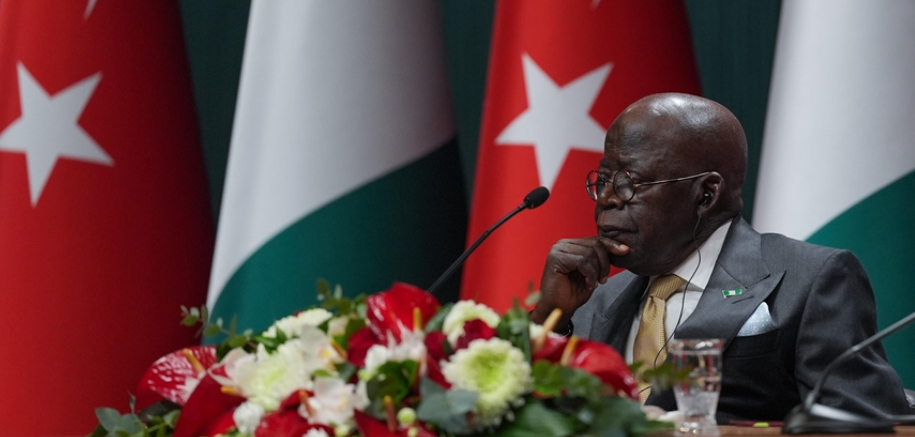
President Tinubu commended the Turkish leader for being “willing to collaborate, willing to help, willing to work together to promote freedom, stability and prosperity, and shared prosperity across the world. According to President Tinubu, “We discussed efforts against terrorism. We discussed how to defeat agents of destabilisation.”
Economic Growth Prospects
Turkey aims to tap into Nigeria’s growing market and vast resources. This goal aligns with Türkiye’s broader strategy to enhance trade with Africa. Nigeria, as Africa’s largest economy, offers vast potential for Turkish businesses. The plan includes expanding exports and imports across multiple sectors. Both governments expect this growth will accelerate economic development.
Key Sectors Driving Expansion
Türkiye targets sectors such as manufacturing, agriculture, technology, and infrastructure. These sectors align with Nigeria’s development priorities. Türkiye companies plan to invest in construction and energy projects. Meanwhile, Nigeria offers a large consumer market for Türkiye goods. The synergy between sectors creates many business opportunities.
Trade Volume Ambitions
The $5 billion trade target represents a significant increase from current figures. Türkiye and Nigeria currently trade goods worth about $2 billion annually.
According to Türkiye President Erdogan, “At present, the trade volume between the two nations is about $2 billion.” Türkiye exports planes, helicopters, machinery, iron and steel, and chemical products to Nigeria. Nigeria exports crude oil and agricultural products to Türkiye.
Achieving this new goal will require more investments and business collaborations. Both sides plan to facilitate trade and reduce barriers. as they also commit to improving logistics and customs processes.
Benefits for Nigeria’s Economy
Boosting trade with Türkiye will create jobs and enhance skills in Nigeria. Nigerian businesses will gain access to new technology and markets. Increased foreign direct investment will support industrial growth. The trade expansion will also diversify Nigeria’s economy beyond oil. This diversification strengthens economic resilience and sustainability.
Türkiye’s Strategic Interests
Türkiye seeks to expand its influence in Africa through strong partnerships. Nigeria stands out as a key gateway to West Africa. Hence, the partnership can help Türkiye firms enter broader African markets. Moreover, Türkiye aims to enhance political and cultural ties with Nigeria. Furthermore, this approach supports Turkey’s long-term geopolitical goals.
Collaborative Frameworks and Agreements
Both countries plan to establish regular trade forums and business summits to solidify the partnership. Hence, these platforms will encourage dialogue and networking among entrepreneurs. They also intend to sign agreements that protect investments and intellectual property. Streamlining visa and travel policies will support business exchanges among its citizens. No doubt, such frameworks will build trust and facilitate smoother cooperation.
Challenges to Overcome
Despite strong commitment, challenges remain in reaching the trade target. Infrastructure gaps and regulatory hurdles pose risks for investors. Currency fluctuations and political uncertainties also affect trade stability. Consequently, both governments acknowledge these issues and promise to address them. Transparent policies and consistent dialogue will help mitigate risks.

Role of Private Sector
The private sectors in Türkiye and Nigeria will play a crucial role based on this partnership. For this reason, businesses will drive innovation and create competitive products. Public-private partnerships can fund large-scale infrastructure projects. Both countries encourage joint ventures and technology sharing, and above all, a successful private sector collaboration will sustain trade growth.
Impact on Regional Integration Stronger
Turkey-Nigeria trade ties contribute to wider regional integration efforts. Nigeria’s leadership in ECOWAS benefits from enhanced external partnerships. Türkiye involvement supports Africa’s continental free trade ambitions. Consequently, this cooperation can inspire other countries to boost trade relations; regional stability and growth depend on such strategic partnerships.
Future Outlook
The $5 billion trade volume target sets a clear path forward to the gains of the two nations. Both countries plan to monitor progress and adjust strategies as needed. Regular high-level meetings will ensure continued momentum. Expanding trade will enhance economic prosperity for both nations. Ultimately, this partnership strengthens ties between Africa and Türkiye.
Agreements Signed
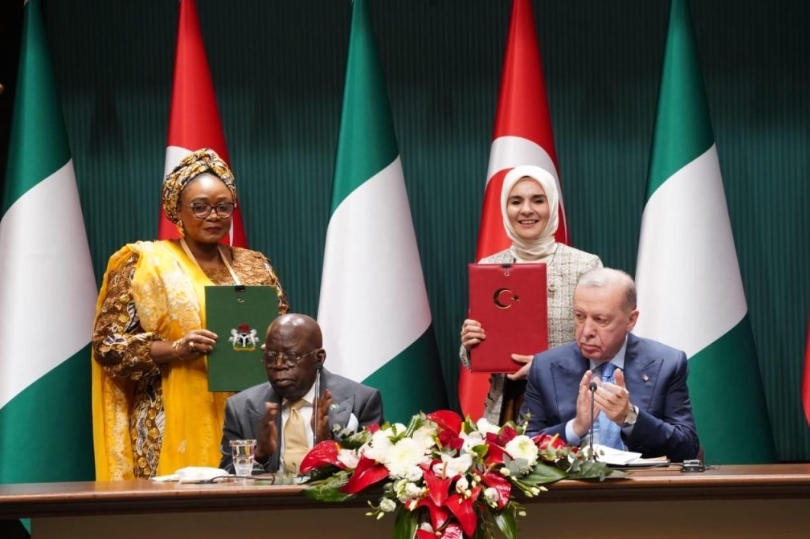
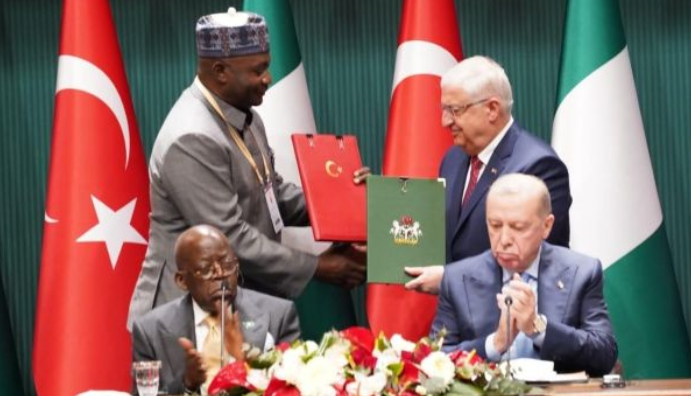
Another key point is that President Bola Ahmed Tinubu’s visit to the Republic of Türkiye was largely successful. Consequently, it led to the signing of 9 agreements between the two friendly nations.
They were: Agreement on Cooperation in the Field of Diaspora Policy, Agreement on Defence Cooperation, and Joint Declaration Establishing the Economy and Trade Joint Committee and Agreement in the Field of Halal Quality Infrastructure.
Others include Cooperation in the Field of Higher Education; Cooperation in the Field of Media and Communication; Cooperation in the Field of Education; Cooperation Between the Republic of Türkiye, Ministry of Foreign Affairs, Diplomacy Academy, and the Federal Republic of Nigeria, Ministry of Foreign Affairs and Foreign Affairs Academy; and Cooperation Between the Republic of Türkiye, Ministry of Social Services, and the Federal Republic of Nigeria, Ministry of Women Affairs and Social Development.
Conclusion
The Turkey-Nigeria trade relationship enters an exciting new phase in which President Tinubu’s visit has catalysed, reaffirming his renewed commitment and ambitious goals. With this intention in mind, targeting $5 billion in trade signals strong confidence in mutual benefits. Both nations will pursue this vision through cooperation and innovation in all its ramifications. This growing partnership promises positive impacts on economies and people alike.