

June 18 marks two milestones—one rooted in civil rights history and the other in R&B royalty. Let’s dive in. Story by TO Ellascious
The Day Love Made History: MLK Jr. & Coretta Scott’s Wedding
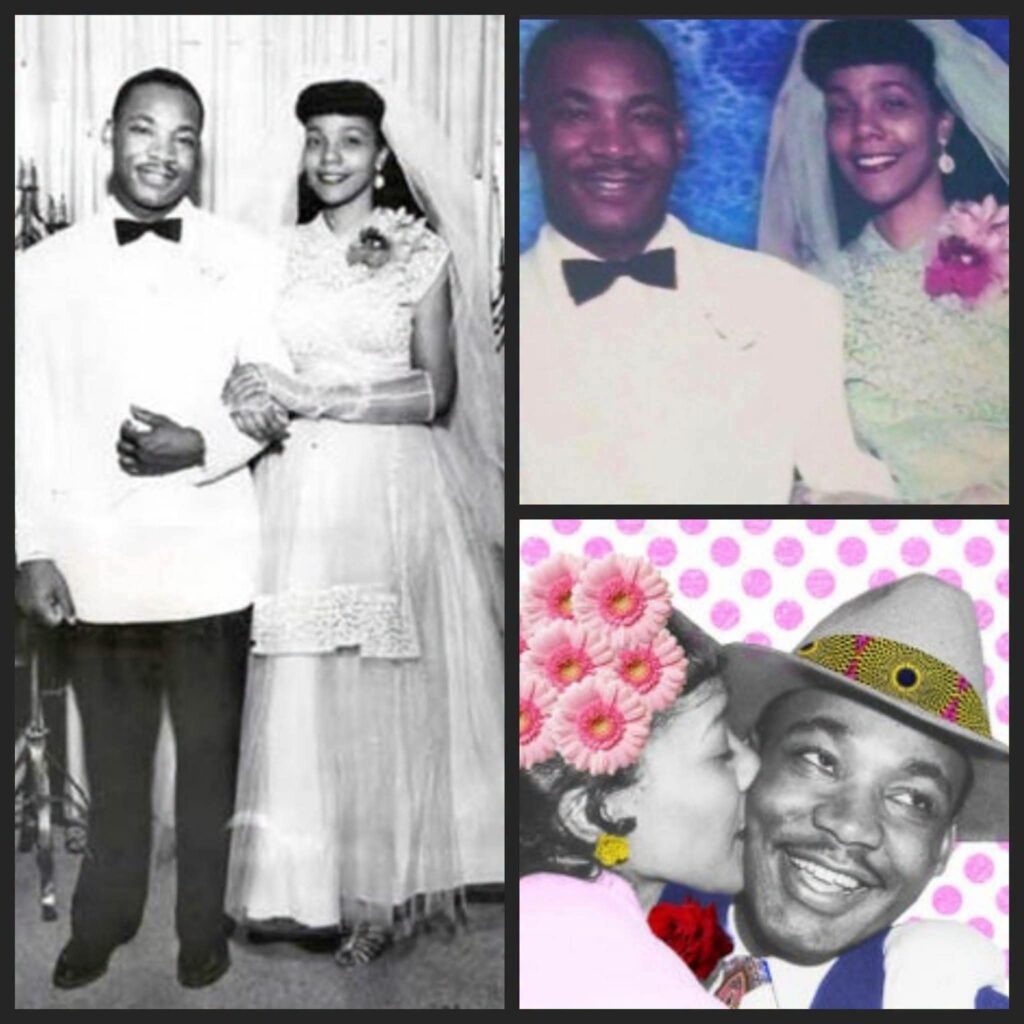
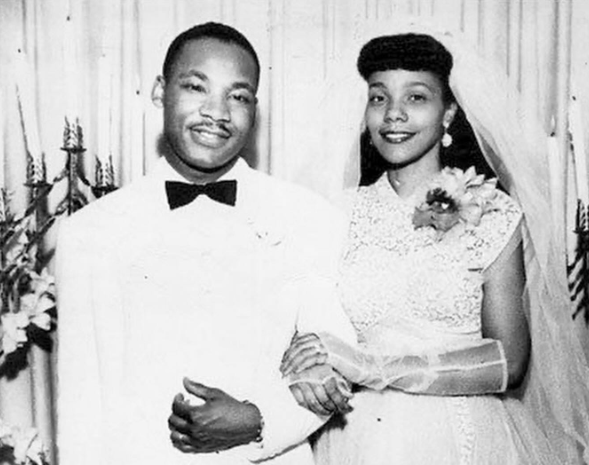
Seventy-three years ago, on June 18, 1953, a quiet lawn in Heiberger, Alabama, became the setting for something extraordinary. Martin Luther King Jr, also known as MLK Jr, and Coretta Scott exchanged vows on her parents’ property, surrounded by family and the simmering heat of the Deep South. Hence, it wasn’t a lavish affair—no cameras flashed, no major media covered it—but that moment would ripple through history.
Coretta, already a trained singer and activist, had met Martin through a mutual friend while studying at the New England Conservatory. He was pursuing his doctorate in theology. She was ambitious, brilliant, and unafraid. Their partnership, forged on that summer day, became one of the most powerful alliances in the fight for racial equality.
The Kings built a family grounded in purpose. They raised four children: Yolanda (1955–2007), Martin Luther King III (b. 1957), Dexter Scott (1961–2024), and Bernice (b. 1963). Each child inherited portions of their parents’ fire—activism, public speaking, and an unyielding commitment to justice. Tragically, Dexter passed just last year, leaving behind a legacy of preserving his father’s memory through the King Centre.
Coretta outlived Martin by nearly four decades. She never remarried. Instead, she carried his torch, championing LGBTQ+ rights, anti-apartheid movements, and economic justice until she died in 2006. Additionally, their marriage lasted only 15 years before an assassin’s bullet took Martin in 1968, but those years reshaped America.
Nathan Morris Turns 55: The Baritone Behind Boyz II Men
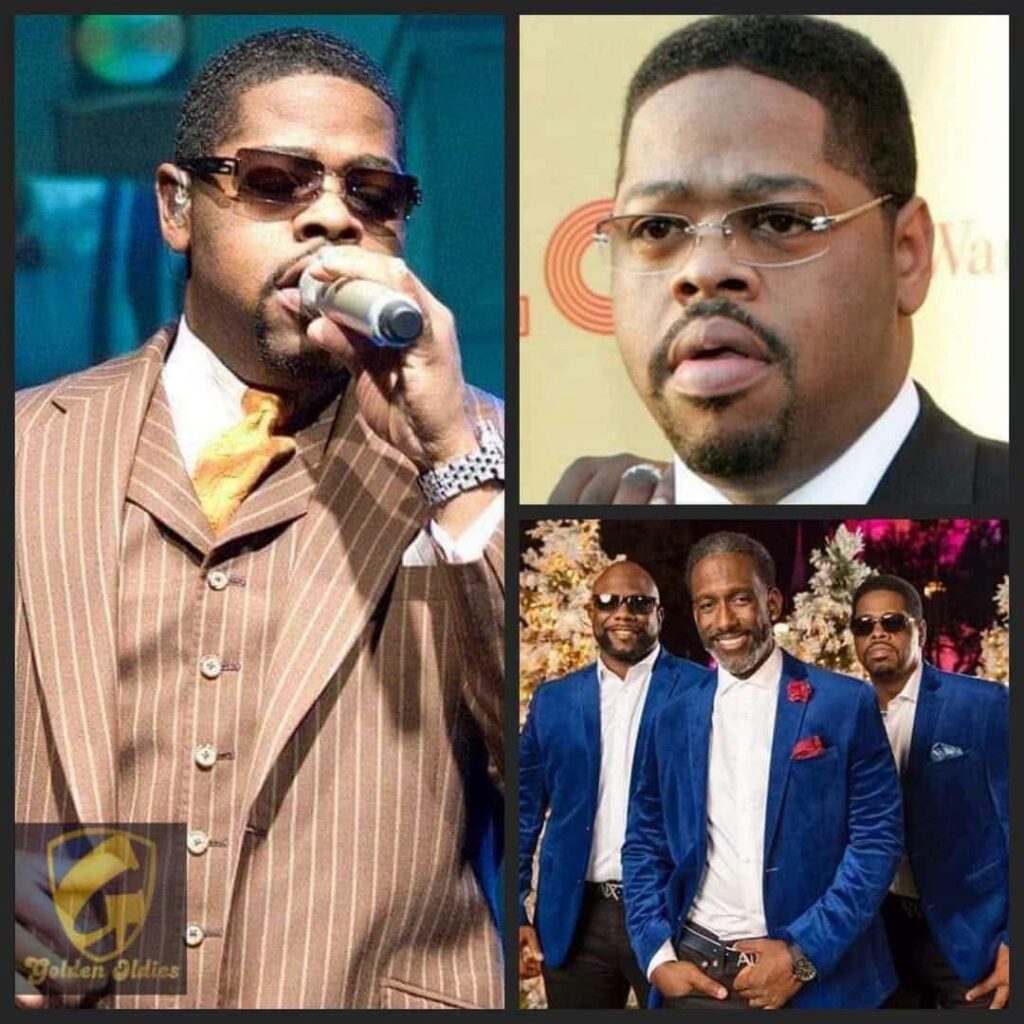
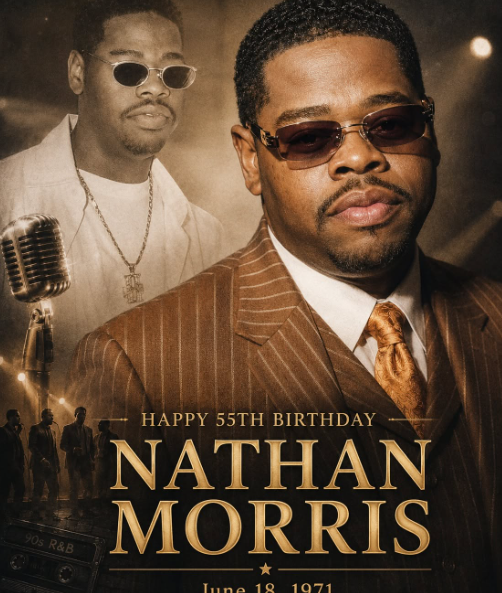
While the Kings were building a movement, another kind of harmony was being born. Today, Nathan Morris—founding member of Boyz II Men—celebrates his 55th birthday. Born on June 18, 1971, in Philadelphia, Morris didn’t just join a group; he helped define an era.
Boyz II Men emerged from the city’s vibrant a cappella scene, blending gospel-infused harmonies with smooth R&B. Furthermore, Morris, who sings baritone, anchored the group’s lush sound alongside Wanya Morris, Shawn Stockman, and later Michael McCary. Their vocal precision was almost supernatural—each note stacked perfectly, each run executed with surgical emotion.
The group dominated the 1990s charts. “I’ll Make Love to You” (1994) spent 14 weeks at No. 1—still a record for a Billboard Hot 100 R&B single. “Water Runs Dry” (1995) showcased their tender side, while their collaboration with Mariah Carey, “One Sweet Day” (1996), held the top spot for 16 weeks, a feat unmatched until 2019.
Morris has weathered lineup changes, label disputes, and industry shifts. Yet he remains the group’s backbone, handling business affairs and continuing to tour globally. At 55, his voice retains that warm, resonant depth—the kind that makes arenas feel like living rooms.
Why These Two Stories Belong Together
On the surface, a civil rights icon and an R&B crooner share little. But look closer. Both men built bridges through their art—King through oratory and moral conviction, Morris through melody and emotional truth. Both understood that rhythm matters, whether in a sermon or a love song.
Coretta Scott King once said, “Struggle is a never-ending process.” Nathan Morris might add that harmony is, too. Their overlapping birthdays remind us that legacy isn’t always about grandeur. Sometimes it’s about showing up, singing your part, and loving deeply—on a lawn in Alabama or a stage in Tokyo.
Your Turn: Celebrate Their Legacies
Whether you’re revisiting “Water Runs Dry” or reading King’s “Letter from Birmingham Jail”, take a moment today. For this reason, light a candle. Stream a track. Reflect on how two very different men—one a minister, one a baritone—used their voices to change the world.
Happy birthday, Nathan Morris. And happy anniversary, Martin and Coretta. Your music and your mission still move us

TO (Ellascious)