
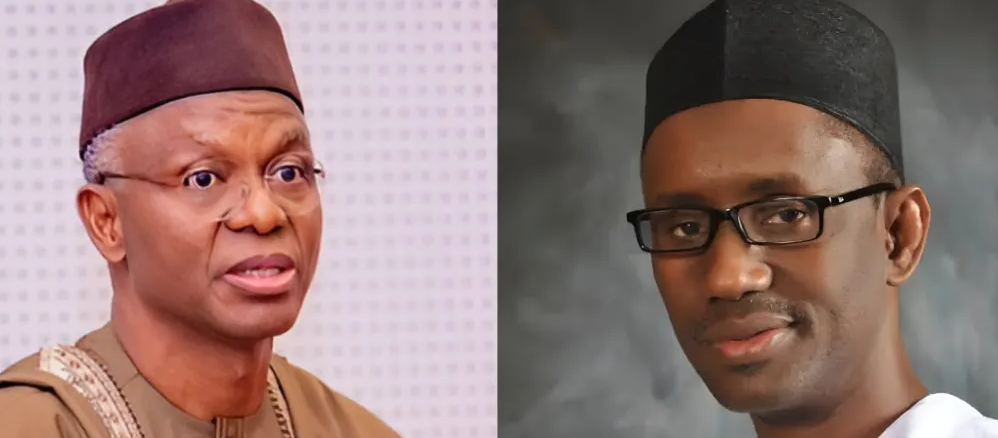
The Federal Government (FG) has filed cybercrime charges against former Governor Nasir El-Rufai. The charges accuse him of illegally tapping the phone of the National Security Adviser (NSA). Importantly, this move marks a significant development in Nigeria’s fight against cybercrime and unauthorised surveillance.
Allegations Surrounding El-Rufai
The FG alleges that former Governor El-Rufai engaged in unlawful interception of communication of a very senior security chief. Specifically, he tapped the NSA’s phone without legal authorisation. This act allegedly violates Nigeria’s Cybercrimes Act. The government insists such behaviour undermines national security.

The Charges Filed by the FG
The charges accuse El-Rufai of cyber espionage, illegal phone tapping, and breach of privacy. Consequently, the FG argues that his actions compromised sensitive government communications, which on its own is a security threat. In addition, they also claim the former governor abused his power for personal or political gain.
Legal Framework Behind the Charges
Nigeria’s Cybercrimes Act strictly prohibits unauthorised access to communication devices. For this reason, authorities emphasise the act protects citizens and government officials alike. It criminalises phone tapping without a court order. Consequently, the FG says El-Rufai’s actions clearly breach the law.
Impact on National Security
The NSA’s phone contains highly confidential information crucial for national security. Hence, tapping such a phone could jeopardise intelligence operations and national safety. The FG stresses that protecting communication channels is vital for Nigeria’s stability.
El-Rufai’s Response to the Charges
Former Governor El-Rufai has denied all allegations; hence, he claims the charges are politically motivated attempts to tarnish his reputation. El-Rufai insists he acted within his rights and denies any wrongdoing. His legal team plans to challenge the charges vigorously.

Political Reactions and Public Opinion
The charges have ignited heated debates among political circles. Supporters of El-Rufai describe the move as a witch hunt. Conversely, opposition parties hail the FG for upholding the law. Public opinion remains divided, reflecting wider political tensions in Nigeria.
The Road Ahead for El-Rufai
The case has been filed at the courts, and during the hearing, it will proceed to where evidence will be examined. Legal analysts expect a thorough investigation and fair trial. The outcome could set a precedent for handling cybercrime cases involving high-profile officials.

Court Case Instituted
The former governor, Mr El-Rufai, was charged based on the provisions of the Cybercrime Act 2024 and the Nigerian Communications Act 2003.
“That you, Mallam Nasir El-Rufai, adult, male, on 13th February, 2026, while appearing as a guest on Arise TV Station’s Prime Time Programme in Abuja, within the jurisdiction of this court, did admit during the interview that you and your cohorts unlawfully intercepted the phone communications of the National Security Adviser, Nuhu Ribadu, and thereby committed an offence contrary to and punishable under Section 12 (1) of the Cybercrimes (Prohibition, Prevention, etc.) Amendment Act, 2024.
“That you, Mallam Nasir El-Rufai, adult, male, on 13th February, 2026, while appearing as a guest on Arise TV Station’s Prime Time Programme in Abuja, within the jurisdiction of this court, did state during the interview that you know and relate with a certain individual who unlawfully intercepted the phone communications of the National Security Adviser, Nuhu Ribadu, without reporting the said individual to relevant security agencies and thereby committed an offence contrary to and punishable under Section 27(b) of the Cybercrimes (Prohibition, Prevention, etc.) Amendment Act, 2024.
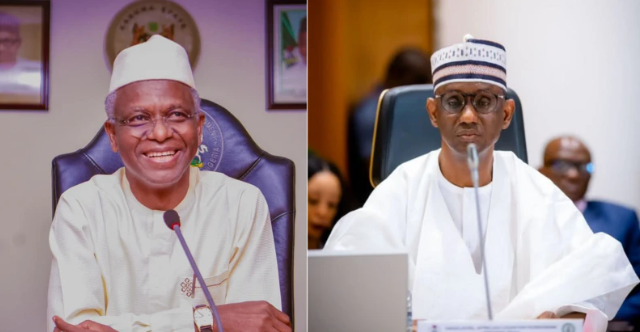
“That you, Mallam Nasir El-Rufai, an adult male, and others still at large, sometime in 2026, in Abuja, within the jurisdiction of this court, with others still at large, did use technical equipment or systems which compromised public safety and national security and instilled reasonable apprehension of insecurity among Nigerians by unlawfully intercepting the phone communications of the National Security Adviser, Nuhu Ribadu, which you admitted during an interview on 13th February, 2026, on Arise TV Station’s Prime Time Programme in Abuja and thereby committed an offence contrary to and punishable under Section 131 (2) of the Nigerian Communications Act 2003,” the charge sheet stated.
Why The Suit
The suit followed a directive by the Office of the National Security Adviser to the SSS to probe Mr El-Rufai’s comments he made during an interview on ARISE TV last week.
During the interview, Mr El-Rufai revealed that he and others listened to the telephone conversations of Mr Ribadu through an individual who tapped the Nigerian security chief’s phone. Consequently, the security czar ordered his arrest.
“Nuhu made the call and made the order that I must be in custody yesterday. He made the call because we listen to their calls; the government thinks they’re the only ones that listen to calls, but we also have our ways. He made the call; he gave the order. Someone tapped his phone and told me,” Mr El-Rufai said.
Furthermore, when told by the ARISE TV presenter that tapping the NSA’s phone was an illegal act, Mr El-Rufai responded, “I know, but the government does it all the time; they listen to our calls all the time without a court order. But someone tapped his phone and told us that he gave the order.”

Nigeria’s Fight Against Cybercrime
This case highlights Nigeria’s increasing focus on combating cyber offences. Hence, the FG aims to deter illegal surveillance and protect privacy rights. Authorities continue to strengthen laws and enforcement against cybercriminal activities.
Conclusion
The FG’s cybercrime charges against El-Rufai represent a pivotal moment in Nigeria’s legal and political landscape. The case underscores the importance of respecting privacy and communication laws. As this story unfolds, Nigerians await justice and the protection of national security.