
Introduction
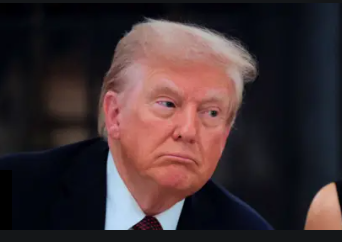
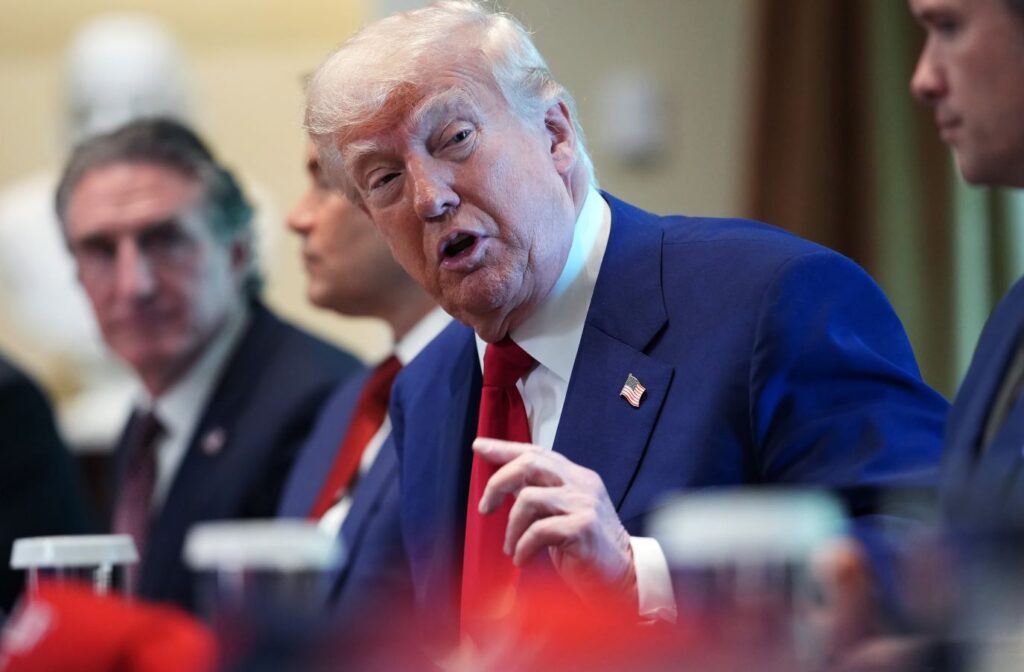
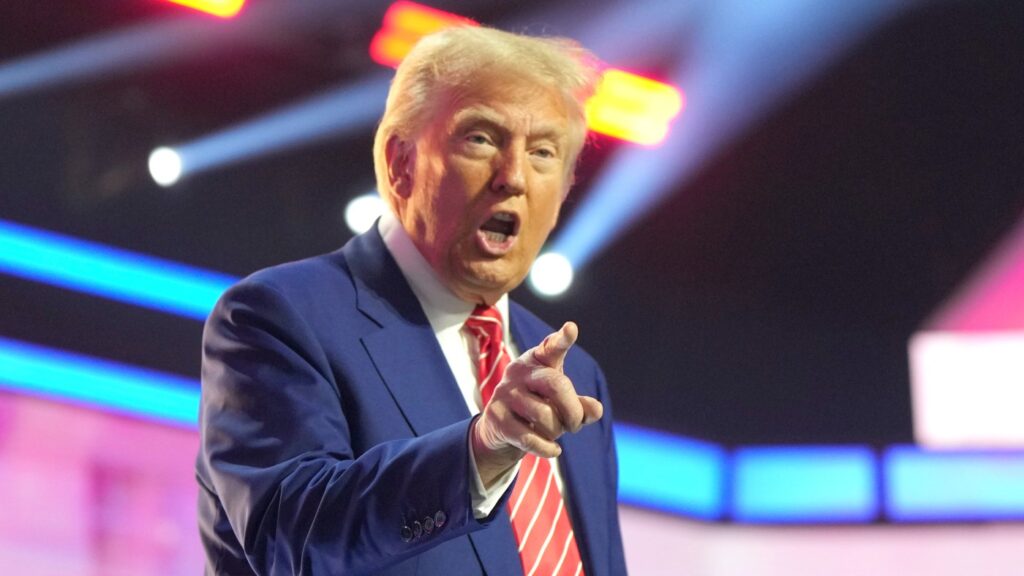
On December 19, 2025, President Donald Trump suspended the Diversity Immigrant Visa Program, commonly known as the Green Card Lottery. Consequently, this decision followed a tragic shooting incident at Brown University involving a suspect who entered the U.S. through this program.
Background of the Suspension
The Diversity Visa Program allocates up to 50,000 green cards annually to individuals from countries with low immigration rates to the U.S. In 2017, the programme admitted Claudio Neves Valente, a Portuguese national. Valente entered the U.S. on a student visa in 2000 and later obtained a green card through the lottery in 2017. Additionally, in December 2025, he was implicated in a shooting at Brown University and the killing of an MIT professor.
Details of the Suspension
Homeland Security Secretary Kristi Noem announced the suspension, stating, “At President Trump’s direction, I am immediately directing USCIS to pause the DV1 program to ensure no more Americans are harmed by this disastrous programme.” For this reason, a total pause to the programme will take immediate effect.
Nigeria’s Angle
In summary, the recent suspension of the U.S. Diversity Immigrant Visa Program, commonly known as the Green Card Lottery, has significant implications for Nigerian applicants. This program annually allocates 50,000 visas to individuals from countries with low immigration rates to the United States. However, Nigeria has been excluded from this program since 2015 due to high levels of immigration to the U.S.
Impact on Nigerian Applicants
Since Nigeria’s exclusion from the Green Card Lottery, Nigerians seeking U.S. immigration opportunities have primarily relied on family-sponsored and employment-based visa categories. These pathways have faced challenges, including high denial rates and long processing times. For instance, Nigerians applying for B1/B2 tourist visas and F1 student visas often encounter significant hurdles. Additionally, family-sponsored visa categories like F3 (married children of U.S. citizens) and F4 (siblings of U.S. citizens) experience delays due to global backlogs.
Recent Developments
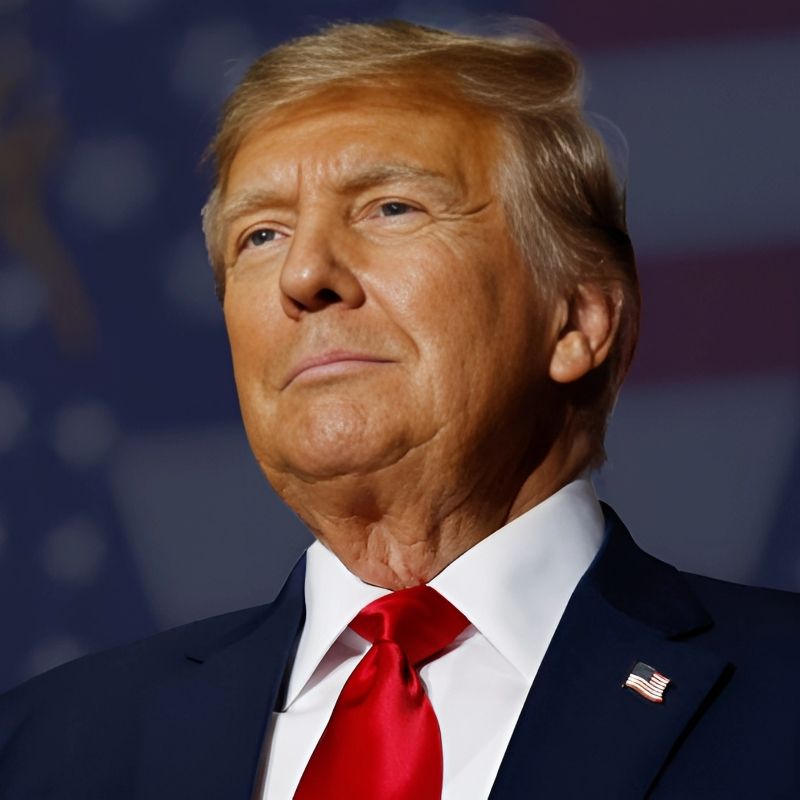
In March 2025, the U.S. Department of State introduced a one-dollar registration fee for the Diversity Visa Program. While this fee was largely symbolic, it signalled a tightening of oversight and a reduction in speculative applications. However, the recent suspension of the programme has further limited immigration opportunities for Nigerians. The suspension does not equate to a permanent cancellation but indicates a temporary halt, with potential delays in new lottery stages and application processing.
Caution Against Scams
The U.S. Mission in Nigeria has consistently warned against fraudulent websites and messages advertising the U.S. visa lottery. These scams often exploit individuals seeking immigration opportunities. The mission emphasises that only official .gov websites provide accurate information regarding visa programmes.
Reactions to the Decision
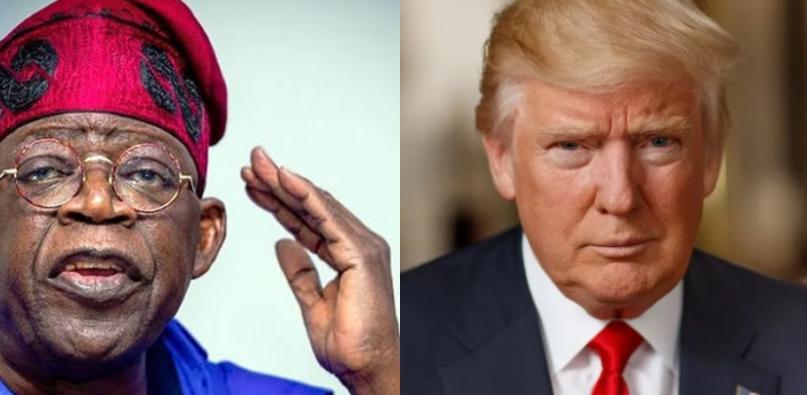
Critics argue that suspending the programme punishes many for the actions of a few. Moreover, they view the move as an exploitation of tragedy to advance immigration policy goals. However, President Bola Tinubu is yet to react, probably because it does not have anything of particular concern to Nigeria.
Conclusion
The suspension of the Green Card Lottery marks a significant shift in U.S. immigration policy. It reflects ongoing debates over immigration reform and national security concerns. However, the suspension of the Green Card Lottery, coupled with Nigeria’s exclusion from the programme since 2015, has significantly constrained immigration pathways for Nigerians.