
Introduction
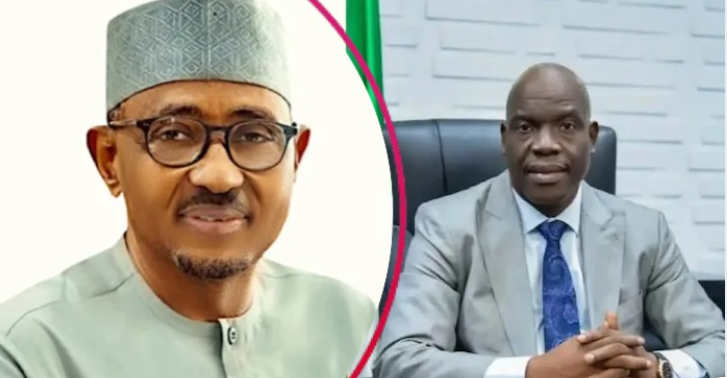
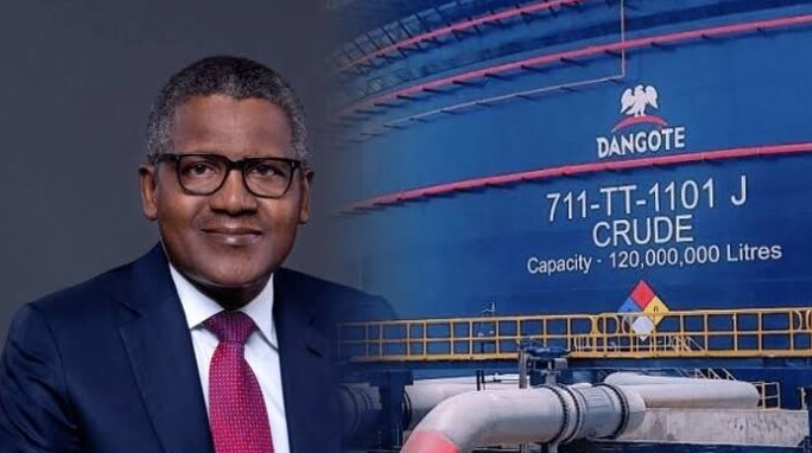
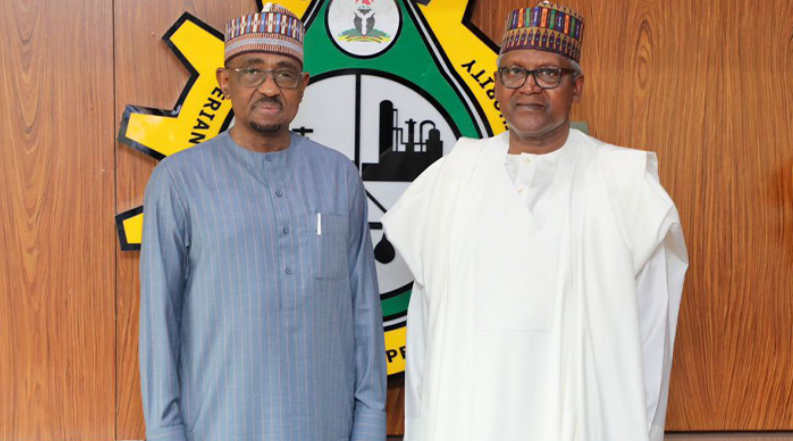
In December 2025, Nigeria’s oil and gas sector underwent significant changes following corruption allegations against two key regulatory leaders. Aliko Dangote, Chairman of Dangote Industries Limited, accused Farouk Ahmed and Gbenga Komolafe of financial misconduct, leading to their resignations.
Allegations Against Farouk Ahmed
Dangote alleged that Ahmed, CEO of the Nigerian Midstream and Downstream Petroleum Regulatory Authority (NMDPRA), misused public funds. Moreover, he claimed Ahmed spent over $5 million on his children’s education in Switzerland, which seemed disproportionate to his official earnings.
Allegations Against Gbenga Komolafe
Similarly, Dangote accused Komolafe, CEO of the Nigerian Upstream Petroleum Regulatory Commission (NUPRC), of neglecting laws favouring local refineries. He further alleged that Komolafe allowed imports that undermined domestic production, affecting his refinery’s operations.
Resignations and Presidential Response
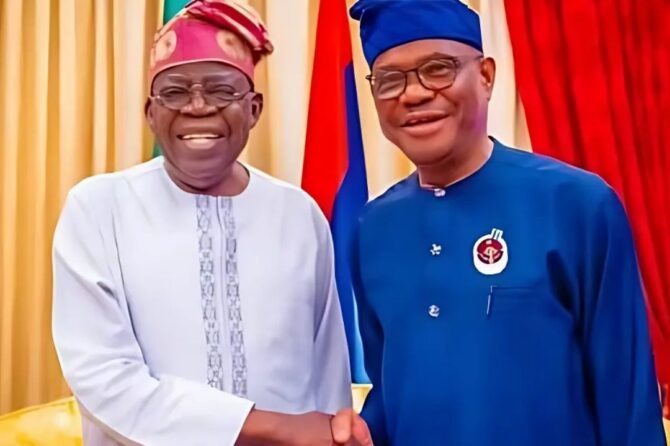
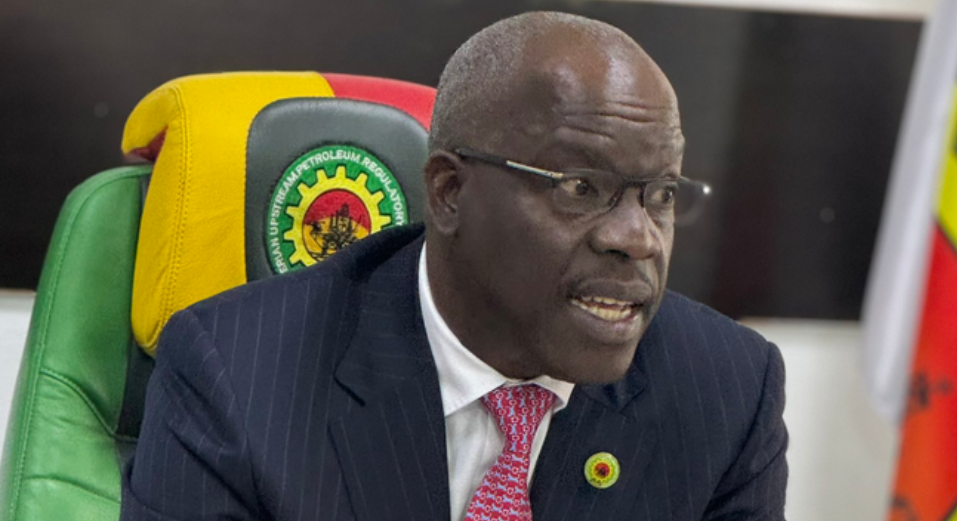
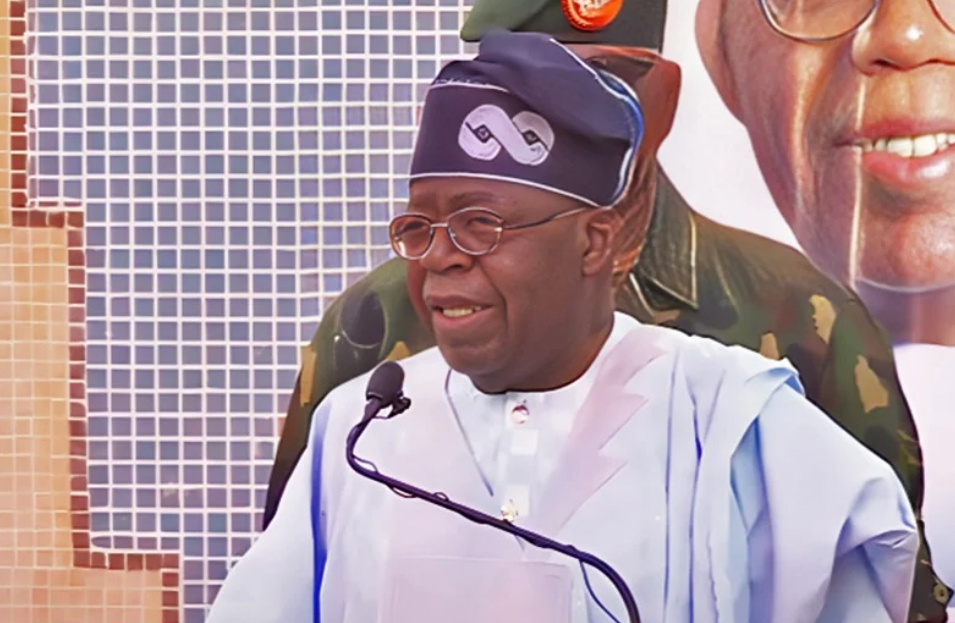
Following these allegations, both Ahmed and Komolafe resigned from their positions. President Bola Tinubu accepted their resignations and nominated Oritsemeyiwa Amanorisewo Eyesan and Saidu Aliyu Mohammed as their replacements. These nominees are seasoned professionals in the oil and gas industry.
Resignations based on personal integrity
Farouk Ahmed
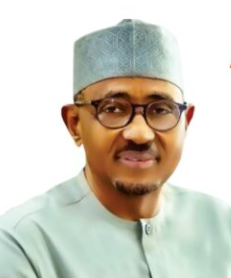
Farouk Ahmed, CEO of the Nigerian Midstream and Downstream Petroleum Regulatory Authority (NMDPRA), resigned amid corruption allegations from Aliko Dangote. Dangote accused Ahmed of financial misconduct, including spending $5 million on his children’s education in Switzerland, which exceeded his public servant income. Ahmed dismissed these allegations as “wild and spurious”, choosing not to engage publicly and expressing confidence in a formal investigation to clear his name. He, however, resigned to save his name and integrity.
Gbenga Komolafe
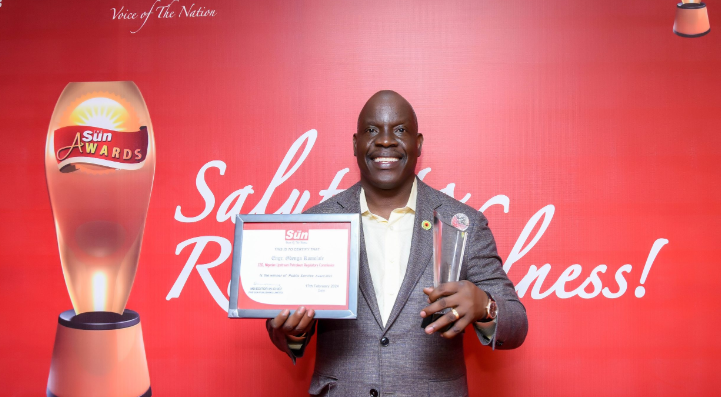
Gbenga Komolafe, CEO of the Nigerian Upstream Petroleum Regulatory Commission (NUPRC), also resigned. While no specific allegations were publicly made against him, his departure coincided with the broader leadership changes in the petroleum regulatory sector.
Public opinions
Consequently, the recent resignations of Farouk Ahmed and Gbenga Komolafe, following corruption allegations by Aliko Dangote, have sparked diverse public reactions in Nigeria.
Civil Society Organizations’ Defense
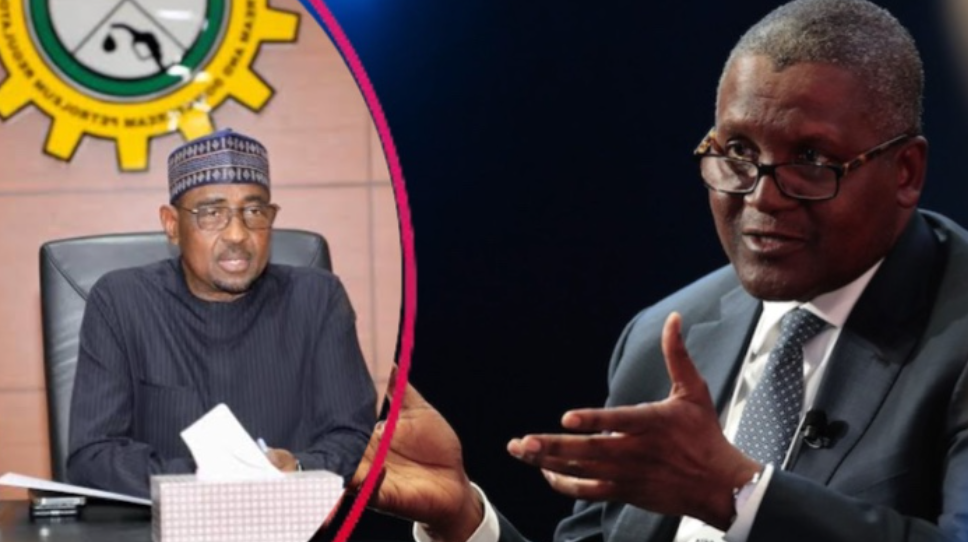
Over 50 Civil Society Organisations (CSOs) have defended Ahmed, labelling the allegations as unfounded and unsupported by evidence. They argue that the accusations aim to undermine the NMDPRA’s leadership and its stance against monopolistic practices in the petroleum sector.
Calls for Further Investigation
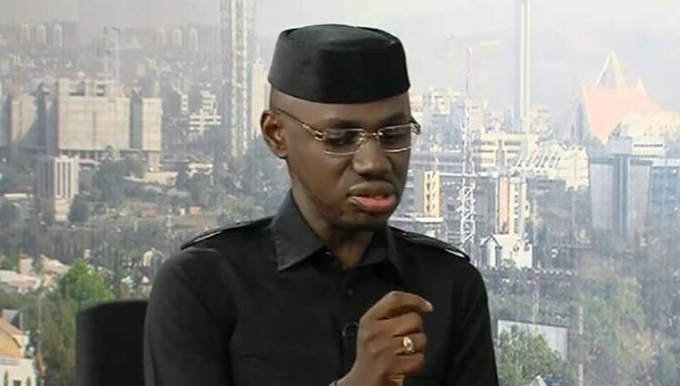
Political activist Comrade Timi Frank has commended Ahmed’s resignation but emphasised that it should not conclude the matter. Furthermore, he urges the Economic and Financial Crimes Commission (EFCC) and the Independent Corrupt Practices and Other Related Offences Commission (ICPC) to investigate and prosecute Ahmed, highlighting the need for transparency and accountability.
Public Concerns Over Accountability
Some Nigerians express scepticism about the effectiveness of the resignation in addressing the allegations. They question whether the matter will be thoroughly investigated or if it will fade without proper accountability.
Industry Experts’ Perspective
Analysts suggest that the leadership changes may not significantly impact Nigeria’s oil sector. However, they noted that the new appointees, Oritsemeyiwa Amanorisewo Eyesan and Saidu Aliyu Mohammed, are seasoned professionals with extensive experience in the industry. For this reason, only time will assess their performance in office.
Conclusion
The resignations of Ahmed and Komolafe highlight the importance of integrity in Nigeria’s oil and gas sector. The new appointments aim to restore confidence and ensure effective regulation in the industry.