
Introduction
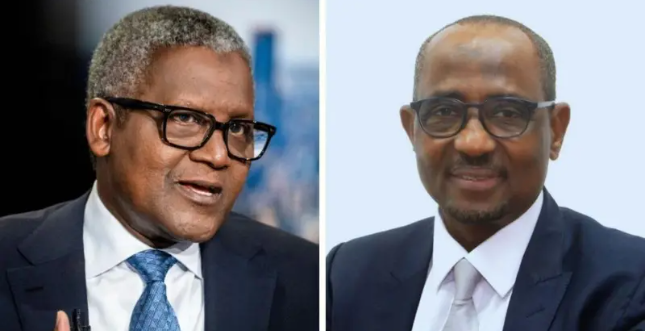
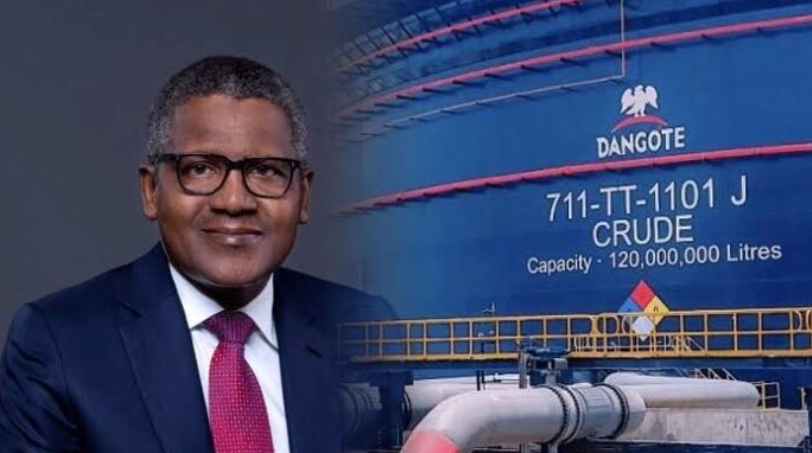
Aliko Dangote, Nigeria’s wealthiest individual, has been at the center of a significant dispute with the Nigerian Midstream and Downstream Petroleum Regulatory Authority (NMDPRA). This conflict revolves around the regulation of fuel imports and the operational dynamics of Dangote’s refinery.
Background of the Dispute
Dangote’s refinery, located in Lagos, commenced operations in September 2024. Its primary goal is to reduce Nigeria’s dependence on imported fuel. However, the NMDPRA has been accused of permitting cheap fuel imports, which Dangote argues threaten the viability of local refineries, including his own.
Allegations and Calls for Investigation
Dangote has called for a corruption probe into Farouk Ahmed, the head of NMDPRA. He alleges that Ahmed’s management practices and financial conduct are questionable. Dangote contends that the NMDPRA’s actions undermine Nigeria’s industrialisation efforts and energy security.
Dangote’s Outlandish Accusation
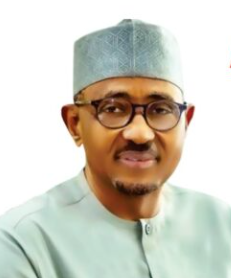
Alhaji Aliko Dangote has accused Mr Farouk Ahmed, CEO of NMDPRA, of financial misappropriation and possible fraud. Furthermore, he challenged Mr Farouk to disclose the sources of his finances to the public for vetting. Besides that, he, affirmed that as a businessman, he could not consider sending his children to such expensive schools abroad.
Details of the Accusation (Secondary school)
Dangote alleged that four of Mr Farouk’s children schooled in some of the most expensive secondary schools abroad. Moreover, he alleged the accused spent about $5 million on his four children’s foreign secondary education in Switzerland. According to Aliko, the four children are Faisal Farouk, Farouk Jr, Ashraf Farouk, and Farhana Farouk. The four of them went to Montreux School, Aigion College, Institute Le Rosey and La Garenne International School, respectively.
University details
Mr Farouk was also said to have spent a whopping $2 million on his four children during their undergraduate years of study. The whole sum includes tuition fees, upkeep, air tickets and other expenses.
Faisal Harvard MBA
The vitriol of allegation also captured the sum of $210,000 spent on his first child’s MBA programme (Faisal). For this reason, that sum is inclusive of his upkeep and air ticket with sundry expenses at Harvard University.
Alhaji Aliko Dangote ended his accusation with a hook: “If such an amount can be spent on four children. While coming from a state where children are having difficulty in paying N10,000 tuition fees calls for concern.
Aliko’s Final Submission
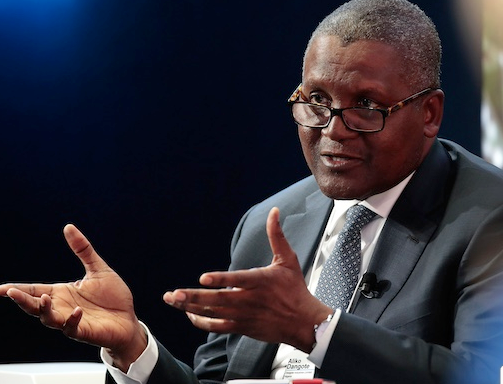
The heated war between both parties has made tongues wag as people are astonished at the weight of the allegation. Consequently, Alhaji Aliko says, “The Code of Conduct Bureau, or any other body deemed appropriate by the government, should investigate the matter. Let them see whether his income matches the five million dollars paid as school fees for six years for four children. This is without tickets.
“He does not need to be sacked. Let him come and clear that he has not compromised his positions in government at the cost of Nigerians,” he said.
Dangote’s Position on Fuel Imports
Dangote disputes the NMDPRA’s claim that local production cannot meet Nigeria’s daily fuel demand of 55 million litres. He asserts that the regulator misreports output figures and fails to prioritise local crude supply over exports. Consequently, Dangote’s refinery imports 100 million barrels of crude oil annually, a number expected to rise with expansion plans.
Regulatory Response
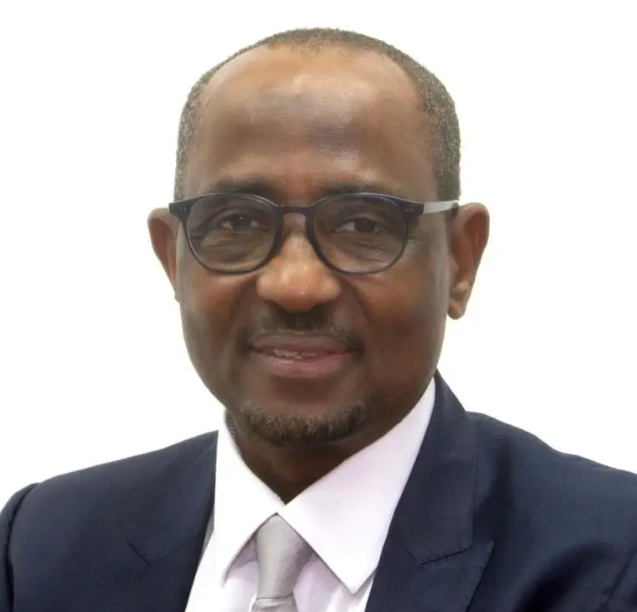
The NMDPRA has previously stated that Dangote’s refinery seeks a monopoly on petroleum product sales. They argue that the refinery’s output cannot meet local demand, which justifies the continued importation of refined petroleum products.
Implications for Nigeria’s Fuel Market
The ongoing dispute has significant implications for Nigeria’s fuel market. Dangote’s refinery aims to end the nation’s reliance on imported fuel, potentially saving billions in foreign exchange. However, the NMDPRA’s regulatory stance and the importation of cheaper fuel pose challenges to this objective.
Danger of the dispute to the Nigerian masses
The ongoing dispute between Aliko Dangote’s refinery and the Nigerian Midstream and Downstream Petroleum Regulatory Authority (NMDPRA) poses significant risks to the Nigerian populace. This conflict has led to increased fuel prices, labour unrest, and potential economic instability.
Rising Fuel Prices
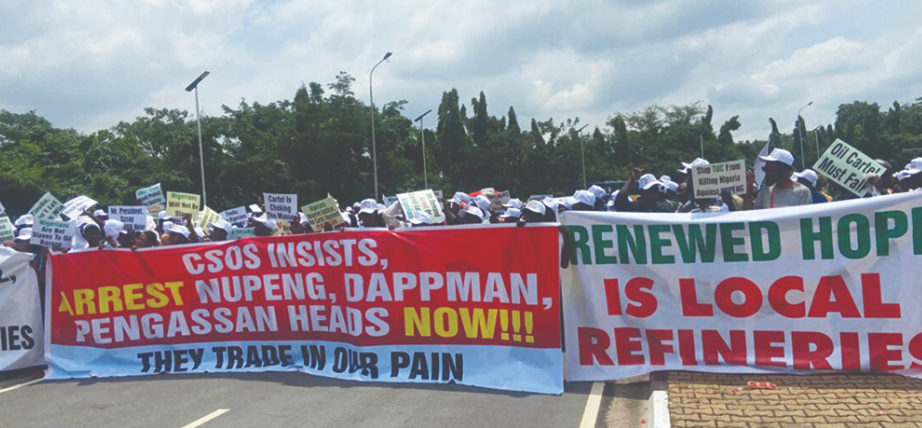
The confrontation ones resulted in higher fuel costs. In September 2025, petrol prices surged to between N910 and N920 per litre in Abuja, up from N890–N910 the previous week. This escalation is attributed to the strike initiated by the Petroleum and Natural Gas Senior Staff Association of Nigeria (PENGASSAN) against Dangote Refinery.
Labor Unrest
The dispute has also led to significant labour unrest. In September 2025, PENGASSAN ordered a halt to crude and gas supply to Dangote Refinery following the dismissal of hundreds of Nigerian workers. Consequently, this action has disrupted operations in Nigeria’s crucial oil and gas sector, which contributes 80% of the country’s revenue.
Economic Implications
The conflict has broader economic implications. Dangote’s refinery, a $20 billion project, aims to reduce Nigeria’s dependence on imported fuel. However, the ongoing dispute and labour unrest threaten to undermine this objective, potentially leading to continued reliance on fuel imports and associated foreign exchange challenges.
In summary, the dispute between Dangote’s refinery and NMDPRA has led to higher fuel prices, labour unrest, and potential economic instability, all of which adversely affect the Nigerian masses.
Conclusion
The conflict between Dangote and the NMDPRA highlights the complexities of balancing local production capabilities with regulatory policies in Nigeria’s fuel sector. The resolution of this dispute will significantly impact the country’s energy, security and economic stability.