

President Tinubu Grants Posthumous Pardon to Environmental Activist Ken Saro-Wiwa and Fellow Campaigners
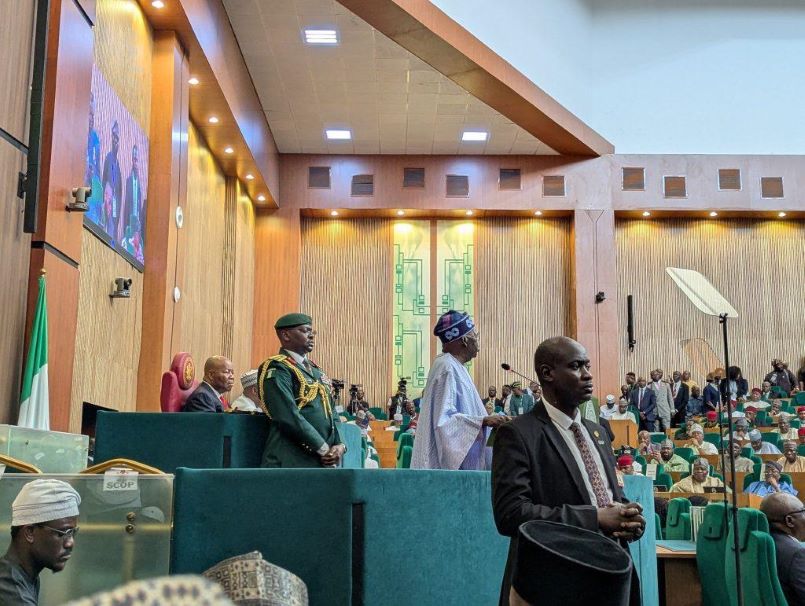
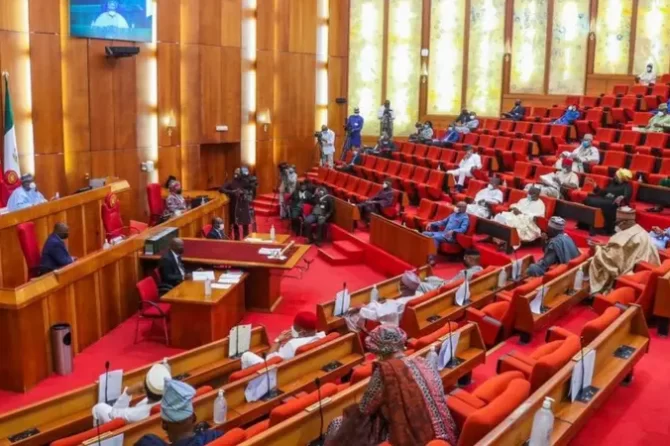
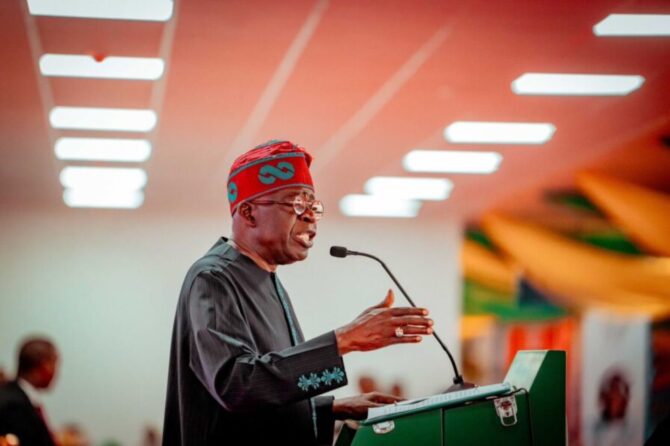
Abuja, June 12, 2025 – In a historic move during the 2025 Democracy Day celebrations, President Bola Ahmed Tinubu granted a full posthumous pardon to the late environmental activist Ken Saro-Wiwa and eight other members of the Ogoni Nine, nearly 30 years after their controversial execution under the military regime of General Sani Abacha. The pardon was announced at a joint session of the National Assembly in Abuja, where Tinubu also conferred national honors on the group for their courageous activism against environmental degradation in the Niger Delta.
The Ogoni Nine, including Saro-Wiwa, were executed in 1995 following a military tribunal that convicted them of the murder of four pro-government Ogoni chiefs during intra-communal violence. The trial and executions were widely condemned internationally as politically motivated, with many viewing the activists as victims of retribution for their protests against oil companies, particularly Shell, whose operations devastated Ogoniland.
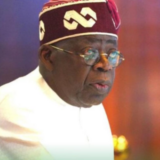
President Tinubu stated,
“I confer posthumous national honors on Ken Saro Wiwa (CON), the leader of the Ogoni Nine, and his fellow travelers… I shall also be exercising my powers under the prerogative of mercy to grant these national heroes a full pardon.”
He praised former President Muhammadu Buhari for officially recognizing June 12 as Democracy Day and acknowledged the sacrifices of all who fought for Nigeria’s democratic restoration.
Reactions and Significance
The pardon has been met with mixed reactions. The Movement for the Survival of the Ogoni People (MOSOP), which Saro-Wiwa once led, described the pardon as a bold and healing step but argued that it implicitly acknowledges a crime that never occurred. MOSOP’s president, Fegalo Nsuke, urged the government to go further by formally exonerating the Ogoni Nine and establishing a judicial commission to investigate the flawed 1995 tribunal.
Critics from the Ogoni community, including relatives of the slain chiefs, condemned the pardon as disrespectful, insisting that the activists were responsible for the killings and that the pardon dishonors the victims’ memory.
International human rights organizations welcomed the pardon as a positive step but emphasized that true justice requires comprehensive reparations and environmental remediation in Ogoniland, which remains heavily polluted.
Historical Context
Ken Saro-Wiwa was a renowned writer and environmentalist who founded MOSOP in 1990 to campaign against the environmental destruction caused by oil extraction in the Niger Delta. His activism drew global attention to the plight of the Ogoni people and the ecological damage inflicted by multinational oil companies.
Despite international appeals, including from then US President Bill Clinton, Saro-Wiwa and his colleagues were executed after a trial widely regarded as a sham. Their deaths sparked global outrage and led to Nigeria’s suspension from the Commonwealth and sanctions by Western countries.







7dvaxs
erzl2k
3ktc54
gul5t6