

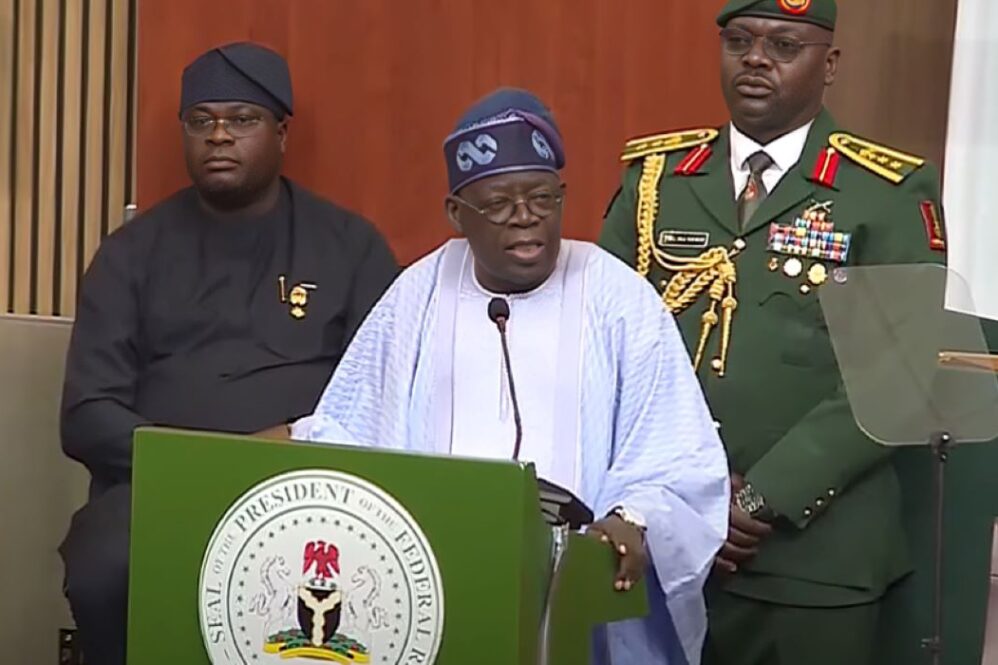
President Tinubu Defends Right to Criticism on Democracy Day
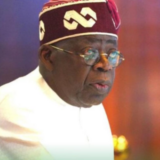
Abuja, June 12, 2025 – President Bola Ahmed Tinubu delivered a landmark Democracy Day address at a joint session of the National Assembly, where he emphatically defended Nigerians’ right to criticize the government and himself without fear of reprisal. In a speech that underscored the importance of free speech as a pillar of democracy, Tinubu declared:
“Call me names, call me whatever you will, and I will still call upon democracy to defend your right to do so.”
The President urged security agencies to respect freedom of expression and warned against using state power to silence dissent.
“Some of the best advice a politician gets sometimes comes from his fiercest opponents,” he said, emphasizing that no one should suffer injustice for writing a bad report or calling him names.
Tinubu’s address came amid ongoing national debates about press freedom and civil liberties, with critics raising concerns about the detention of journalists and online critics under his administration. The President acknowledged these concerns but insisted on the need to balance freedom with responsibility, stating that while slander and libel should not go unaddressed, repression is not the answer.
Tribute to Democracy Heroes
The President paid homage to the heroes of June 12, 1993, including Chief Moshood Kashimawo Olawale Abiola and his running mate Babagana Kingibe, officially recognized as the rightful winners of Nigeria’s freest and fairest election. He also honored other pro-democracy activists such as Anthony Enahoro, Alfred Rewane, and Abraham Adesanya, acknowledging their sacrifices in the struggle for democratic governance.
Commitment to Democratic Progress
Tinubu reaffirmed his administration’s commitment to safeguarding and building Nigeria’s democracy, pledging to uphold transparent governance, social justice, and active citizen participation. He rejected any notion of a one-party state, stating:
“At no time past, present, or future shall I ever support the idea of a one-party state. Nigeria will not become such a state now.”
He also highlighted ongoing reforms aimed at economic growth, youth empowerment, and improved education access, including initiatives to provide credit facilities for 400,000 young Nigerians and expand digital infrastructure.
Economic and Social Outlook
The President noted improvements in the economy, citing a stabilizing exchange rate, easing inflation, and declining food prices. He assured Nigerians that the government would no longer borrow to pay salaries and emphasized efforts to enhance education through student loan programs.
National Assembly and Public Reception
The speech was met with mixed reactions in the National Assembly, with some lawmakers chanting support while others called for order. Civil society and media observers praised the President’s open stance on criticism as a positive step for Nigeria’s democratic culture, though calls for concrete actions to protect press freedom persist.








9i61w0
3in4ie
on8a8t