

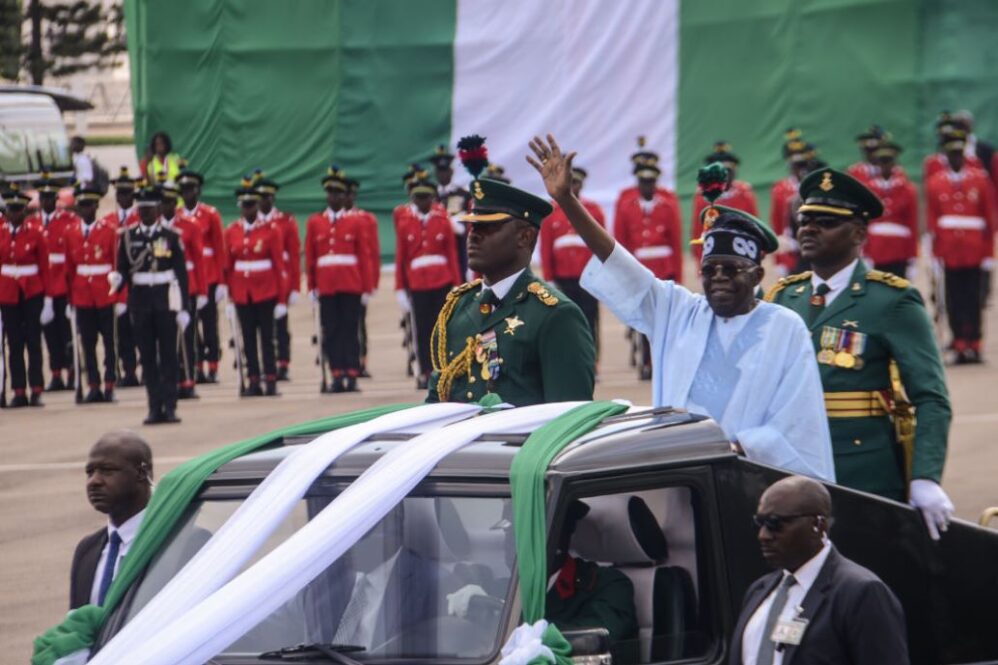
Nigeria Marks 26 Years of Democracy Amid Criticism
Abuja, June 12, 2025 – Nigeria commemorated its 26th Democracy Day with a series of events reflecting on the country’s democratic journey since the end of military rule in 1999. The day, which honors the annulled June 12, 1993 presidential election widely regarded as Nigeria’s freest and fairest, was marked by official ceremonies, public lectures, religious services, and calls for renewed democratic commitment.
Government Preparations and Celebrations
The Federal Government inaugurated an Inter-Ministerial Committee chaired by Secretary to the Government of the Federation, Sen. George Akume, to organize the 2025 Democracy Day celebrations. The committee coordinated activities including a World Press Briefing, special Juma’at and church services, youth programs, a public lecture themed “Consolidating on the Gains of Nigeria’s Democracy: Necessity of Enduring Reforms,” and the Presidential Broadcast alongside a parade on June 12.
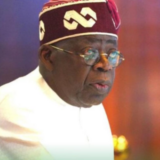
President Bola Tinubu addressed the nation early on June 12, followed by a joint session of the National Assembly, emphasizing Nigeria’s democratic progress and the sacrifices of heroes like Chief MKO Abiola and Babagana Kingibe. The President reaffirmed his administration’s commitment to democratic principles and ongoing reforms aimed at economic revitalization, youth empowerment, and improved governance.
Reflections on Democratic Progress and Challenges
While celebrating 26 years of uninterrupted civilian rule, the day also served as a moment of sober reflection. Security challenges such as kidnappings, banditry, and conflicts persist, impacting food security and economic stability. Inflation and poverty remain significant concerns for many Nigerians.
Civil society groups and opposition figures used the occasion to voice concerns. Prominent voices like publisher Dele Momodu warned of a drift toward “civilian dictatorship,” citing governance failures and economic hardships that threaten democratic gains. The “Take it Back” movement and other activists organized peaceful protests in multiple states, demanding urgent government action on insecurity and social welfare.
Calls for Renewed Commitment
Religious leaders and community organizations echoed calls for justice, equity, and inclusive governance. The Catholic Bishop of Nigeria urged Nigerians to build a just and prosperous nation for all, emphasizing the need to uphold democratic values and human rights.
Youth engagement featured prominently, with programs designed to foster political awareness and participation among younger generations, seen as vital for Nigeria’s democratic renewal.
Looking Ahead
Democracy Day 2025 highlighted both the resilience of Nigeria’s democratic institutions and the pressing need for reforms to address ongoing challenges. The government’s Renewed Hope Agenda aims to tackle these issues through infrastructure development, economic policies, and social programs.
As Nigerians honored the sacrifices of past democratic champions, the day underscored the collective responsibility to safeguard and deepen democracy for a more equitable and peaceful future.







xt9i6y
zotcwx