
Tinubu’s Economic Reforms Win Investor Confidence, Fuel Growth and Stability Amid Challenges
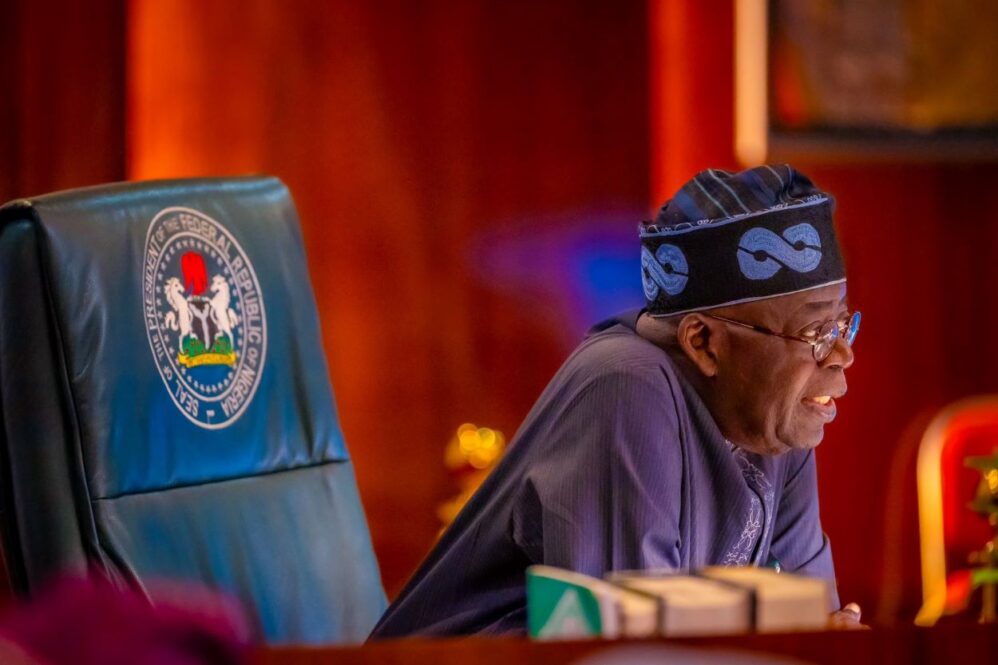
Abuja, May 15, 2025 – Nigeria’s economy is showing signs of recovery and renewed investor confidence under President Bola Ahmed Tinubu’s administration, driven by bold economic reforms and improved fiscal management, according to Minister of Budget and Economic Planning Atiku Bagudu and recent reports from the World Bank and other economic analysts.
Strongest Growth in a Decade Despite Inflation
The World Bank reported that Nigeria’s economy grew by 4.6% year-on-year in the fourth quarter of 2024, marking the fastest growth in nearly ten years, and expects a growth rate of 3.6% for 2025. This growth was fueled by a rebound in the oil and gas sector, expansion in technology and financial services, and improved government revenues following critical reforms12.
Bagudu credited President Tinubu’s administration for confronting difficult economic realities with tough but necessary reforms, including the removal of fuel subsidies, unification of the foreign exchange market, and domestic oil refining initiatives, which have collectively restored investor confidence and fiscal discipline.
Fiscal Improvements and Revenue Gains
Government revenue increased to about 11.5% of GDP in 2024, up from 7.2% in 2023, largely due to the elimination of costly foreign exchange subsidies, enhanced tax collection, and rising remittances. This revenue boost helped narrow the fiscal deficit from 5.4% of GDP in 2023 to an estimated 3% in 2024, allowing for more strategic investments in health, education, infrastructure, and security1.
The Central Bank of Nigeria’s reforms have stabilized the foreign exchange market, rebuilding official reserves to over $37 billion, providing a buffer against external shocks1.
Inflation and Economic Challenges
Despite these positive developments, inflation remains persistently high, averaging over 22% in 2025, driven by subsidy removals, currency devaluations, rising energy and logistics costs, and supply chain disruptions. Inflationary pressures have eroded household purchasing power and increased costs for businesses, contributing to stagflation and reform fatigue among the populace135.
The government’s social intervention programs have so far failed to adequately cushion vulnerable Nigerians from the impact of rising prices, while debt service costs have doubled, consuming a large portion of federal resources and limiting capital expenditure3.
Mixed Economic Outlook and Reform Fatigue
Analysts warn that Nigeria’s economic recovery remains fragile. The country continues to grapple with stagflation, high interest rates, and low foreign direct investment, which fell to historic lows in early 2024. The economy’s size has slipped to fourth largest in Africa, trailing South Africa, Egypt, and Algeria, partly due to a 300% currency devaluation over recent years357.
The Nigerian Economic Summit Group (NESG) and other private sector stakeholders emphasize the need for coordinated monetary, fiscal, trade, and investment policies to sustain growth and improve business confidence. They highlight the importance of addressing structural inefficiencies and improving infrastructure, especially in power transmission and distribution, to unlock industrial productivity6.
Outlook and Government Commitment
The government remains committed to maintaining fiscal discipline and policy coherence, with the President’s economic team working closely to ensure reforms translate into sustainable growth. The 2025 budget reflects a balance between prudent spending and strategic investments, aiming to build on gains while tackling inflation and improving social welfare18.
While some reforms have been difficult in the short term, they are seen as necessary steps toward economic stabilization and long-term prosperity. Continued efforts to improve transparency, enhance tax collection, and attract investment are critical to Nigeria’s economic trajectory in 2025 and beyond.